Embark on a journey to master the art of problem-solving with How to Develop a Systematic Problem-Solving Process. This guide unveils a structured approach to tackling challenges, transforming confusion into clarity and chaos into order. Whether you’re navigating complex business issues, personal dilemmas, or technical snags, a systematic process empowers you to find effective and lasting solutions.
We’ll explore the core principles, from understanding the very foundation of problem-solving to implementing and refining solutions. Learn how to define problems accurately, generate creative solutions, select the best approach, and monitor progress. Discover essential tools and techniques, such as Fishbone diagrams and data visualization, and adapt the process to different contexts. Finally, we’ll address common pitfalls and cultivate a culture of continuous improvement, ensuring you’re well-equipped to overcome any obstacle.
Understanding the Foundation

A systematic problem-solving process provides a structured approach to tackling challenges. It moves beyond guesswork and intuition, offering a framework for analyzing problems, generating solutions, and evaluating their effectiveness. This structured approach improves efficiency and increases the likelihood of finding optimal solutions.
Core Definition of a Systematic Problem-Solving Process
A systematic problem-solving process is a deliberate and organized methodology used to identify, analyze, and resolve problems. It involves a series of defined steps, typically including problem definition, data collection, analysis, solution generation, implementation, and evaluation. This structured approach aims to minimize bias, enhance critical thinking, and increase the probability of successful outcomes.
Situations Where a Systematic Approach is Crucial
In certain scenarios, a systematic approach is essential for achieving desired results.
- Complex Technical Issues: When troubleshooting complex machinery or software glitches, a systematic approach helps pinpoint the root cause without wasted effort. For example, consider an airline’s engine malfunction: a methodical diagnostic process, including data logging, component testing, and failure analysis, is crucial to ensure passenger safety and prevent further incidents.
- Business Strategy Development: Formulating a new marketing campaign or restructuring a company requires a systematic analysis of market trends, competitor activities, and internal capabilities. This approach minimizes risks and maximizes the chances of achieving strategic goals.
- Scientific Research: The scientific method, a cornerstone of research, exemplifies a systematic approach. It involves formulating hypotheses, designing experiments, collecting data, analyzing results, and drawing conclusions. This method ensures objectivity and reliability in scientific findings.
- Project Management: Managing large projects, such as building a new bridge or developing a new product, requires a structured approach to ensure timely completion and adherence to budget constraints.
Situations Where a Systematic Approach Might Be Less Necessary
While valuable in many situations, a systematic approach might be less critical or even counterproductive in certain contexts.
- Simple, Routine Tasks: For everyday tasks that are well-understood and have readily available solutions, a systematic process may be overkill. For example, if your car won’t start and you realize you forgot to put gas, no systematic process is needed.
- Highly Creative Endeavors: Creative endeavors, such as artistic expression or brainstorming new product ideas, often benefit from a more free-flowing, intuitive approach. While a framework can be helpful, too much structure can stifle creativity.
- Emergency Situations: In immediate crises, such as a medical emergency, rapid action is paramount. While a systematic approach to triage may exist, the priority is often on quick responses and immediate interventions.
- Situations with Limited Data: When facing a problem with very little information available, a systematic approach might be challenging. In these cases, it may be better to gather information first and then apply a more structured process.
Key Benefits of Employing a Systematic Problem-Solving Process
Adopting a systematic problem-solving process offers several key advantages across various domains.
- Improved Decision-Making: A systematic approach provides a framework for analyzing information objectively, leading to better-informed decisions.
- Enhanced Efficiency: By following a structured process, problem-solving becomes more efficient, reducing wasted time and resources.
- Increased Accuracy: A systematic process minimizes the likelihood of overlooking crucial information or making biased judgments, leading to more accurate solutions.
- Reduced Risk: By carefully analyzing the problem and potential solutions, a systematic approach helps to identify and mitigate risks.
- Improved Communication: A shared, documented problem-solving process facilitates clear communication and collaboration among team members.
- Enhanced Learning and Knowledge Retention: The process helps to document the problem, solution, and rationale, allowing for learning from the outcome.
Identifying and Defining the Problem
Accurately defining the problem is the cornerstone of effective problem-solving. Without a clear understanding of the issue at hand, any solutions attempted are likely to be misdirected, inefficient, and ultimately unsuccessful. Time and resources are wasted when the wrong problem is addressed. This section Artikels a structured approach to problem identification and definition, ensuring that the correct problem is addressed from the outset.
Importance of Accurate Problem Definition
A precise problem definition provides several key benefits. It sets the scope of the investigation, guiding the focus and preventing the dissipation of effort on irrelevant aspects. It allows for the selection of appropriate problem-solving tools and techniques, optimizing the efficiency of the process. A well-defined problem also facilitates the development of measurable objectives, enabling the evaluation of the success of implemented solutions.
Finally, it fosters clear communication among stakeholders, ensuring everyone is aligned on the nature of the issue and the desired outcomes.
Identifying the Root Cause
Identifying the root cause is crucial to prevent the recurrence of a problem. Several methods can be used to delve beneath the surface symptoms and uncover the underlying factors.
- Gathering Information: This involves collecting data through observation, interviews, and document review.
- Analyzing Data: Statistical analysis, trend identification, and pattern recognition are used to uncover hidden relationships and insights.
- Using Tools and Techniques: Tools like the “5 Whys” and Fishbone diagrams are essential.
The “5 Whys” technique involves repeatedly asking “why” to drill down to the root cause. The Fishbone diagram, also known as the Ishikawa diagram, visually maps out the potential causes of a problem, categorizing them for easier analysis. Consider a situation where a manufacturing plant experiences a sudden increase in product defects. Using the 5 Whys, we might start with “Why are there more defects?” and then follow up with further “whys” to reach the core issue.To illustrate the process, consider the following table.
| Problem | Symptoms | Potential Causes |
|---|---|---|
| Increased Product Defects | Higher scrap rate, customer complaints, reduced production efficiency. |
|
| Slow Website Loading Speed | User frustration, high bounce rate, lower conversion rates. |
|
| Decreased Sales | Lower revenue, reduced customer acquisition, declining market share. |
|
Framework for Gathering Information and Data
A structured approach to gathering information and data is essential for accurate problem definition. This involves determining what information is needed, where to find it, and how to collect it effectively.
- Define Information Needs: Clearly identify the specific data required to understand the problem. This might include performance metrics, customer feedback, operational data, and financial records.
- Identify Data Sources: Determine where the required information resides. This could be internal databases, customer surveys, sales reports, or external market research.
- Select Data Collection Methods: Choose the appropriate methods for collecting data. These methods might include surveys, interviews, direct observation, or analysis of existing documents.
- Implement Data Collection: Execute the chosen methods to gather the necessary data. Ensure data accuracy and reliability through proper procedures and validation.
- Analyze and Interpret Data: Process and analyze the collected data to identify trends, patterns, and insights relevant to the problem. This analysis forms the basis for problem definition.
For example, if the problem is a decline in customer satisfaction, the information needed would include customer feedback, complaint logs, and customer survey results. Data sources could be the company’s customer relationship management (CRM) system, customer service records, and online review platforms. Data collection methods might involve analyzing customer service calls, sending out customer satisfaction surveys, and monitoring social media mentions.
Generating Potential Solutions
Now that you’ve clearly defined your problem, it’s time to brainstorm and explore various solutions. This phase focuses on generating a wide range of possibilities, without immediately judging their feasibility. The goal is to foster creativity and uncover innovative approaches to tackle the identified issue. Remember, the more ideas you generate, the higher the chances of finding an effective and sustainable solution.
Brainstorming Techniques for Generating Solutions
Brainstorming is a powerful tool for sparking creativity and generating a diverse set of potential solutions. Employing various techniques can help overcome mental blocks and encourage out-of-the-box thinking. Consider these methods:
- Classic Brainstorming: This involves a group session where participants freely generate ideas without criticism. The focus is on quantity over quality in the initial stage. Write down every idea, no matter how unconventional it may seem.
- Brainwriting: This is a silent brainstorming method. Participants write down their ideas on paper, then pass them to the next person, who builds upon those ideas. This can be effective for individuals who may be less comfortable speaking in a group setting.
- Reverse Brainstorming: Instead of focusing on solutions, identify ways to cause the problem. Then, reverse these ideas to find potential solutions. For example, if the problem is low employee morale, brainstorm how to make morale even worse. Then, flip those ideas to find ways to improve morale.
- SCAMPER: This checklist prompts you to consider different perspectives:
- Substitute: What can be substituted to improve the situation?
- Combine: Can we combine elements to create a new solution?
- Adapt: How can we adapt existing solutions?
- Modify/Magnify/Minimize: What can be changed or scaled up/down?
- Put to other uses: Can we use existing resources in a new way?
- Eliminate: What can be removed?
- Reverse: How can we reverse or rearrange elements?
- Mind Mapping: This visual technique involves creating a diagram that branches out from the central problem, with related ideas and solutions radiating outwards. This helps visualize connections between different concepts.
- The Six Thinking Hats: This technique, developed by Edward de Bono, involves wearing six different “thinking hats,” each representing a different perspective:
- White Hat: Facts and information.
- Red Hat: Feelings and emotions.
- Black Hat: Cautions and potential problems.
- Yellow Hat: Benefits and optimism.
- Green Hat: Creativity and new ideas.
- Blue Hat: Process control and management.
Considering Multiple Perspectives During Solution Generation
Effectively generating solutions requires considering a wide range of perspectives. This ensures a more comprehensive understanding of the problem and leads to more robust and well-rounded solutions.
- Involve Diverse Stakeholders: Gather input from individuals with different backgrounds, experiences, and roles related to the problem. This could include customers, employees, management, and external experts. Each group brings a unique viewpoint. For example, when developing a new software feature, include input from both experienced users and new users.
- Empathize with Different User Groups: Understand how different groups of people are affected by the problem. Consider their needs, pain points, and motivations. For instance, if the problem is related to website accessibility, consider the needs of users with visual impairments, hearing impairments, and motor impairments.
- Challenge Assumptions: Question your own biases and assumptions about the problem and potential solutions. Be open to alternative viewpoints, even if they initially seem unconventional.
- Conduct Research: Gather data and information from various sources, including industry reports, market research, and competitor analysis. This will provide a broader context for understanding the problem and identifying potential solutions.
- Use the “Five Whys” Technique: Repeatedly ask “why” to drill down to the root cause of the problem. This helps to uncover underlying issues that might not be immediately apparent and reveals a more holistic understanding of the problem. For instance, if sales are down, ask “Why?” (e.g., “Marketing campaign ineffective”), then “Why?” (e.g., “Target audience not reached”), and so on.
Methods for Evaluating and Prioritizing Potential Solutions
Once you’ve generated a list of potential solutions, the next step is to evaluate and prioritize them. This involves assessing the feasibility, effectiveness, and potential impact of each solution.
- Pros and Cons Analysis: Create a table or chart listing the pros and cons of each potential solution. This allows for a clear comparison of the advantages and disadvantages. For example:
Solution Pros Cons Implement a New Training Program Improved employee skills, increased productivity, reduced errors High initial cost, time-consuming to develop and implement, requires ongoing maintenance Outsource the Task Reduced internal workload, access to specialized expertise, potential cost savings Loss of control, potential communication issues, dependence on external vendor Automate the Process Increased efficiency, reduced errors, improved data accuracy High upfront investment, potential job displacement, requires technical expertise - Cost-Benefit Analysis: Quantify the costs and benefits of each solution. This involves estimating the financial implications of each option. Calculate the return on investment (ROI) to determine the most financially viable solutions. For instance, if implementing a new CRM system is estimated to cost $50,000 but increase sales by $100,000 annually, the ROI is substantial.
- Impact/Effort Matrix: This visual tool helps prioritize solutions based on their potential impact and the effort required to implement them. Solutions with high impact and low effort are prioritized first. Solutions with low impact and high effort are often deprioritized or eliminated.
For example, a visual representation could be a two-by-two matrix:
- High Impact, Low Effort: Quick wins (e.g., minor website updates that improve user experience).
- High Impact, High Effort: Major projects (e.g., implementing a new software system).
- Low Impact, Low Effort: Fill-ins (e.g., small process adjustments).
- Low Impact, High Effort: Thankless tasks (often deprioritized).
- Risk Assessment: Identify and assess the potential risks associated with each solution. This involves evaluating the likelihood and impact of potential problems. Develop mitigation strategies to minimize the risks. For example, if a solution involves a new technology, assess the risk of technical difficulties or compatibility issues.
- Feasibility Analysis: Evaluate the practicality of implementing each solution. Consider factors such as available resources, technical capabilities, and organizational constraints. Determine if the solution is realistic given the current circumstances. For instance, a solution requiring specialized equipment that is not readily available would be deemed infeasible.
Selecting the Best Solution and Planning Implementation
After generating potential solutions, the next crucial step is to determine which one offers the most promising path forward. This involves a systematic evaluation process to ensure the chosen solution is both effective and feasible. Once the best solution is identified, a detailed implementation plan is essential to bring it to fruition. This phase focuses on creating a roadmap that Artikels the specific actions, resources, and timelines needed to successfully execute the chosen solution.
Criteria for Selecting the Most Appropriate Solution
Selecting the best solution requires a structured approach, moving beyond gut feelings to objective analysis. This involves evaluating each potential solution against a set of pre-defined criteria. Consider these essential criteria when evaluating solutions:
- Effectiveness: This refers to the solution’s ability to address the root cause of the problem and achieve the desired outcome. Consider the potential impact of the solution. For example, if the problem is a decrease in customer satisfaction, how much will the solution improve satisfaction scores?
- Feasibility: Feasibility assesses whether the solution can be realistically implemented given the available resources, including budget, personnel, and technology. Consider the ease of implementation. A complex solution might be highly effective but infeasible if the organization lacks the necessary skills or infrastructure.
- Efficiency: Efficiency examines the solution’s ability to achieve the desired outcome with minimal resources and effort. Evaluate the cost-benefit ratio of each solution. A solution that is cost-effective and requires minimal time and resources is generally preferred.
- Risk Assessment: This involves identifying and evaluating potential risks associated with each solution. A solution with fewer potential risks and robust mitigation strategies is generally more desirable. This process will be explained in the following sections.
- Alignment with Organizational Goals: The chosen solution should align with the organization’s overall strategic goals and values. Solutions that support the company’s mission and vision are typically preferred.
Developing an Implementation Plan
Once the best solution has been selected, developing a detailed implementation plan is crucial. This plan serves as a roadmap, guiding the execution of the solution. A well-defined plan increases the likelihood of successful implementation and helps mitigate potential challenges.
- Define Specific Actions: Break down the solution into specific, actionable steps. Each step should be clearly defined and easy to understand. For example, if the solution involves implementing new software, the actions might include “Purchase software licenses,” “Install software on employee computers,” and “Train employees on software usage.”
- Establish a Timeline: Create a realistic timeline for each action. This should include start and end dates for each step, as well as overall project milestones. Use project management tools like Gantt charts to visualize the timeline and track progress.
- Allocate Resources: Identify and allocate the necessary resources, including budget, personnel, and equipment. Ensure that sufficient resources are available for each action. Consider the cost of each action. For example, training employees may require hiring a trainer or developing training materials.
- Assign Responsibilities: Assign specific individuals or teams to be responsible for each action. Clearly define the roles and responsibilities of each person involved. This ensures accountability and streamlines the implementation process.
- Communicate the Plan: Communicate the implementation plan to all stakeholders. This includes sharing the timeline, assigned responsibilities, and resource allocations. Regular communication helps keep everyone informed and aligned.
- Monitor Progress and Make Adjustments: Continuously monitor the progress of the implementation plan and make adjustments as needed. Track key performance indicators (KPIs) to measure the effectiveness of the solution. Be prepared to adapt the plan if unforeseen challenges arise.
Risk Assessment Plan Template
A risk assessment plan is essential for identifying and mitigating potential challenges during implementation. This proactive approach helps to minimize the impact of unexpected events and increases the likelihood of success. Use the following template to guide your risk assessment:
| Risk | Description | Probability (Low/Medium/High) | Impact (Low/Medium/High) | Mitigation Strategy | Responsible Person | Contingency Plan |
|---|---|---|---|---|---|---|
| Example: Employee Resistance to Change | Employees are hesitant to adopt the new software. | Medium | Medium | Provide training and support; communicate the benefits of the new software. | Project Manager | Offer additional training sessions and create a help desk. |
| [Add Risk 1] | [Describe the risk] | [Select Low/Medium/High] | [Select Low/Medium/High] | [Describe the mitigation strategy] | [Assign a responsible person] | [Describe the contingency plan] |
| [Add Risk 2] | [Describe the risk] | [Select Low/Medium/High] | [Select Low/Medium/High] | [Describe the mitigation strategy] | [Assign a responsible person] | [Describe the contingency plan] |
This table helps to identify potential problems, analyze their likelihood and severity, and develop proactive strategies to address them. For example, if a company is implementing a new customer relationship management (CRM) system, a potential risk might be data migration issues. The probability might be rated as “Medium,” and the impact as “High.” The mitigation strategy could involve a thorough data cleansing process and pilot testing, with a contingency plan of delaying the full launch until data issues are resolved.
This framework allows for a structured and proactive approach to risk management.
Implementing the Solution and Monitoring Progress

Now that you’ve meticulously selected the best solution, the real work begins: putting it into action and ensuring it achieves the desired results. This phase requires careful planning, execution, and continuous monitoring to stay on track and make necessary adjustments. It’s about transforming your theoretical solution into tangible results.
Putting the Chosen Solution into Action
Implementing the solution is about translating your plan into concrete actions. This involves breaking down the solution into manageable tasks, assigning responsibilities, and setting realistic timelines. Effective implementation relies on clear communication and diligent execution.
- Develop a Detailed Implementation Plan: Create a step-by-step guide outlining exactly how the solution will be implemented. This plan should specify the tasks, the order in which they will be performed, the resources required (people, tools, budget), and the expected outcomes for each step.
- Assign Responsibilities Clearly: Define who is responsible for each task. This includes specifying roles, reporting lines, and decision-making authority. Avoid ambiguity to prevent confusion and ensure accountability.
- Allocate Resources: Secure the necessary resources, including budget, personnel, equipment, and materials. Ensure resources are available when needed to avoid delays. Consider potential resource constraints and develop contingency plans.
- Establish a Timeline: Set realistic deadlines for each task and the overall implementation process. Use project management tools to track progress and identify potential bottlenecks. Be prepared to adjust the timeline if unforeseen challenges arise.
- Communicate the Plan: Share the implementation plan with all stakeholders. This includes team members, managers, and anyone else affected by the solution. Ensure everyone understands their roles, responsibilities, and the overall objectives.
- Pilot Test (If Applicable): If possible, pilot test the solution on a small scale before full implementation. This allows you to identify and address any unforeseen issues or challenges before committing fully.
Strategies for Effective Communication and Collaboration
Successful implementation hinges on clear and consistent communication and strong collaboration among team members. This involves creating an environment where information flows freely, feedback is encouraged, and everyone feels valued and heard.
- Establish Communication Channels: Determine the best channels for communication, such as regular meetings, email updates, project management software, or instant messaging. Choose channels that are appropriate for the type and urgency of the information being shared.
- Schedule Regular Meetings: Hold regular team meetings to discuss progress, address challenges, and make decisions. These meetings should have a clear agenda and documented outcomes.
- Provide Regular Updates: Keep stakeholders informed of progress, setbacks, and any changes to the plan. Provide updates in a timely and transparent manner.
- Encourage Feedback: Create a culture of open communication where team members feel comfortable sharing their ideas, concerns, and suggestions. Actively solicit feedback and use it to improve the implementation process.
- Foster Teamwork: Promote a collaborative environment where team members support each other and work together towards common goals. Recognize and reward teamwork and collaboration.
- Use Visual Aids: Utilize visual aids, such as charts, graphs, and diagrams, to communicate complex information more effectively. Visuals can help to clarify the plan, track progress, and highlight key milestones.
Tracking Progress and Measuring Effectiveness
Monitoring progress is crucial to ensure the solution is being implemented as planned and is achieving the desired results. This involves tracking key metrics, regularly reviewing progress, and making necessary adjustments.
- Define Key Performance Indicators (KPIs): Identify the specific metrics that will be used to measure the effectiveness of the solution. KPIs should be directly related to the problem you are trying to solve and the goals you set at the beginning. For example, if the problem was slow customer service response times, a KPI could be the average time to resolve customer inquiries.
- Establish a Tracking System: Implement a system for tracking progress against KPIs. This could involve using project management software, spreadsheets, or other tools to collect and analyze data.
- Conduct Regular Reviews: Hold regular reviews to assess progress, identify any roadblocks, and make necessary adjustments. These reviews should involve all relevant stakeholders.
- Document Findings: Keep a detailed record of all progress, challenges, and adjustments made. This documentation will be valuable for future projects and will help you to learn from your experience.
- Use Data Visualization: Use charts and graphs to visualize progress and identify trends. This can help you to quickly identify areas where the solution is working well and areas where it needs improvement.
- Make Adjustments as Needed: Be prepared to make adjustments to the implementation plan based on the data you collect and the feedback you receive. This might involve changing timelines, reallocating resources, or modifying the solution itself.
An example of a progress tracking table is as follows:
| Task | Status | Responsible | Deadline |
|---|---|---|---|
| Develop Training Materials | In Progress | Sarah Jones | October 26, 2023 |
| Conduct Training Sessions | Not Started | John Smith | November 2, 2023 |
| Implement New Software | Completed | David Lee | October 19, 2023 |
| Monitor Customer Satisfaction | In Progress | Maria Garcia | Ongoing |
This table provides a snapshot of the project’s progress, allowing for quick identification of tasks needing attention. The status column clearly indicates the current state of each task (In Progress, Not Started, Completed). The responsible column identifies the individual accountable for each task, ensuring clarity. The deadline column establishes a timeline, providing a target date for task completion. Regular review of this table facilitates proactive management and timely adjustments.
Evaluating Results and Refining the Process

After implementing your solution, the final stage involves evaluating its effectiveness and refining your problem-solving approach for future challenges. This crucial step ensures continuous improvement and allows you to learn from both successes and failures. It’s about understanding what worked, what didn’t, and how to make the process even more effective next time.
Methods for Evaluating Outcomes
To determine if your implemented solution achieved its intended goals, you need to use various evaluation methods. These methods provide data to assess the impact of your solution.
- Define Measurement Metrics: Before implementing your solution, establish clear metrics to measure its success. These metrics should align with the problem’s initial definition and the desired outcomes. For example, if the problem was slow website loading times, metrics could include page load speed in seconds, bounce rate, and conversion rates.
- Gather Data: Collect data related to your defined metrics both before and after implementing the solution. This data will provide a baseline for comparison. Use appropriate data collection tools such as website analytics platforms (like Google Analytics), customer surveys, sales reports, or operational performance dashboards.
- Analyze Data: Analyze the collected data to identify trends and patterns. Compare the pre-implementation data with the post-implementation data. Calculate percentage changes, averages, and other statistical measures to understand the impact of the solution. For instance, if the page load speed improved from 5 seconds to 2 seconds, calculate the percentage improvement.
- Conduct Qualitative Analysis: Don’t rely solely on quantitative data. Gather qualitative data through methods like surveys, interviews, and focus groups. This provides insights into user experiences and perspectives on the solution. For example, gather feedback from customers about their satisfaction with the improved website.
- Compare Results to Goals: Compare the results against the initial goals and objectives defined during the problem identification phase. Determine whether the solution met or exceeded expectations, fell short, or had unintended consequences.
- Document Findings: Document all evaluation findings, including both positive and negative outcomes. Create a report summarizing the data, analysis, and conclusions. This documentation is crucial for future reference and continuous improvement.
Identifying Areas for Improvement in the Problem-Solving Process
Even if the solution is successful, there’s always room to improve the problem-solving process itself. Reviewing each step can uncover areas where you can be more efficient and effective in future problem-solving endeavors.
- Review the Problem Definition: Assess whether the problem was accurately defined and whether the scope was appropriate. Was the problem too broad or too narrow? Could a more precise definition have led to a more effective solution?
- Evaluate Solution Generation: Examine the process of generating potential solutions. Were enough options considered? Did you use a variety of brainstorming techniques? Could more diverse perspectives have led to better solutions?
- Assess Solution Selection: Evaluate the criteria used to select the best solution. Were the criteria relevant and prioritized correctly? Did the selection process adequately consider the risks and benefits of each option?
- Analyze Implementation: Review the implementation plan. Were the steps clear and well-defined? Were there any unexpected challenges during implementation? How could the implementation process be improved for future projects?
- Consider Data Collection and Analysis: Evaluate the data collection methods. Were the right metrics tracked? Was the data analysis thorough and accurate? Could better data collection or analysis techniques have provided more insightful results?
- Seek Feedback: Gather feedback from team members, stakeholders, and anyone involved in the problem-solving process. Their insights can reveal areas for improvement that might not be apparent otherwise.
- Reflect on Time and Resources: Analyze the time and resources spent on each step of the process. Were they used efficiently? Could any steps have been streamlined or eliminated? Identify areas where resource allocation could be improved.
Documenting the Problem-Solving Journey
Comprehensive documentation is essential for preserving knowledge, facilitating future problem-solving efforts, and promoting continuous improvement. This documentation should capture the entire journey, from problem identification to solution implementation and evaluation.
- Create a Problem-Solving Report: The primary document should be a detailed report that includes:
- A clear statement of the problem.
- The problem-solving process followed, step-by-step.
- The potential solutions considered.
- The selected solution and its rationale.
- The implementation plan.
- The results of the evaluation.
- The conclusions drawn.
- Include Supporting Documents: Attach all relevant supporting documents to the report, such as:
- Meeting minutes.
- Brainstorming notes.
- Data analysis spreadsheets.
- Survey results.
- Implementation timelines.
- Record Lessons Learned: Document the key takeaways from the problem-solving process. This should include both successes and failures. What worked well? What could have been done differently? The lessons learned should be clearly articulated.
- Identify Best Practices: Highlight the best practices that emerged during the process. These are the strategies, techniques, and approaches that proved most effective. Best practices should be easily accessible for future use.
- Create a Knowledge Repository: Store the problem-solving report and all supporting documents in a centralized, accessible location. This could be a shared drive, a project management platform, or a dedicated knowledge base.
- Review and Update Documentation: Regularly review and update the documentation to ensure it remains accurate and relevant. As new information emerges or as the problem or solution evolves, update the documentation accordingly.
Lessons Learned: Documenting lessons learned provides invaluable insights for future problem-solving efforts. For example, if a particular brainstorming technique proved ineffective, document this and suggest alternative techniques for future use. If a specific software tool streamlined implementation, highlight it as a best practice. Documenting both successes and failures ensures that the organization learns from every experience. This fosters a culture of continuous improvement and reduces the likelihood of repeating past mistakes.
Tools and Techniques for Systematic Problem-Solving
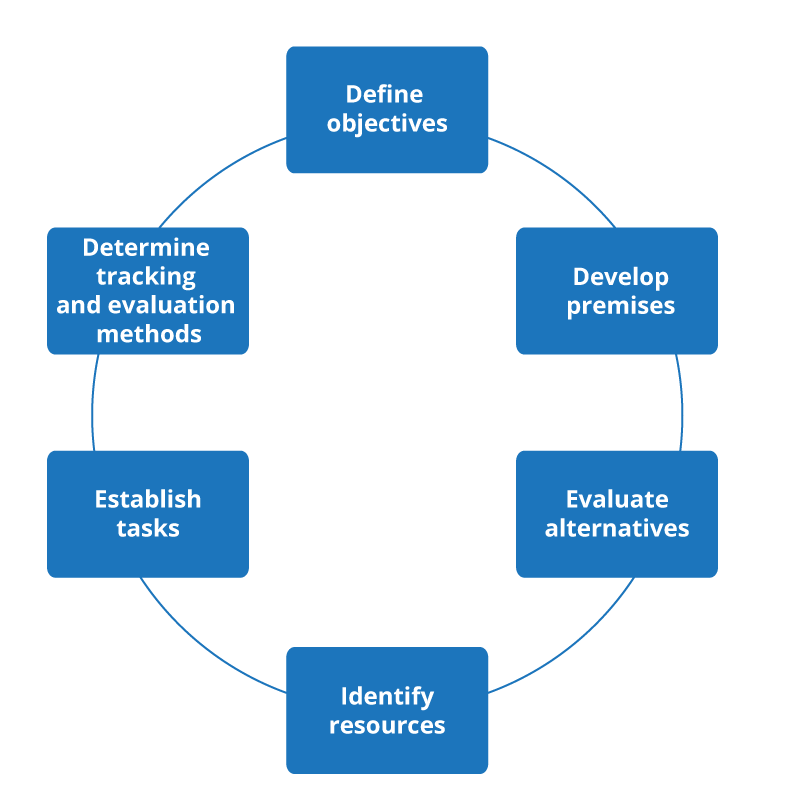
Employing the right tools and techniques can significantly enhance the effectiveness of your problem-solving process. A variety of methods exist, each with its own strengths and weaknesses, designed to help you analyze issues, generate solutions, and make informed decisions. Understanding these tools allows you to select the most appropriate approach for the specific problem at hand, leading to more efficient and successful outcomes.
Popular Problem-Solving Tools and Techniques
Several tools and techniques have proven highly effective in various problem-solving scenarios. These tools provide structured frameworks for analyzing problems and developing solutions.
- Fishbone Diagram (Ishikawa Diagram): This visual tool, also known as a cause-and-effect diagram, helps identify the potential root causes of a problem. It’s structured to resemble a fish skeleton, with the problem statement at the “head” and potential causes branching out as “bones.” The main categories often include Methods, Materials, Machines, Manpower, Measurement, and Environment, but these can be customized to fit the specific problem.
- Pareto Chart: Based on the Pareto principle (the 80/20 rule), this chart helps prioritize problem areas by identifying the most significant contributors to a problem. It combines a bar graph, showing the frequency or cost of different factors, with a line graph representing the cumulative percentage. This allows you to quickly see which factors have the greatest impact.
- 5 Whys: This simple yet powerful technique involves repeatedly asking “Why?” to drill down to the root cause of a problem. By asking “Why?” five times (or more, if necessary), you can move beyond the symptoms and uncover the underlying issues.
- Brainstorming: A group creativity technique designed to generate a large number of ideas for solving a problem. Participants are encouraged to freely share ideas without immediate criticism, fostering a collaborative environment where diverse perspectives can emerge.
- SWOT Analysis: This strategic planning tool helps analyze a situation by identifying Strengths, Weaknesses, Opportunities, and Threats. It provides a comprehensive view of internal and external factors influencing a problem, aiding in strategic decision-making.
Comparative Analysis of Problem-Solving Tools
Each problem-solving tool has distinct advantages and disadvantages, making it crucial to choose the right tool for the task. The selection should depend on the nature of the problem, the available data, and the desired outcomes.
| Tool | Strengths | Weaknesses |
|---|---|---|
| Fishbone Diagram | Visual and easy to understand; encourages a systematic approach to identifying root causes; promotes team collaboration. | Can become complex with numerous causes; may not always identify the most significant causes; requires careful categorization. |
| Pareto Chart | Helps prioritize efforts by focusing on the most impactful factors; easy to create and interpret; provides a visual representation of the 80/20 rule. | Requires data collection and analysis; may not reveal the root causes of problems; focuses only on quantifiable factors. |
| 5 Whys | Simple and easy to implement; encourages deep analysis; promotes a shared understanding of the problem. | Can be time-consuming; may not be effective for complex problems; relies on the accuracy of initial answers. |
| Brainstorming | Generates a wide range of ideas; encourages creativity and collaboration; relatively easy to implement. | Can be unstructured; may lead to irrelevant ideas; requires effective facilitation to avoid dominance by certain individuals. |
| SWOT Analysis | Provides a comprehensive view of the situation; helps identify strategic options; useful for planning and decision-making. | Can be subjective; relies on accurate information; may not lead to concrete solutions without further analysis. |
Applying a Specific Problem-Solving Tool: The 5 Whys
Let’s illustrate how the 5 Whys technique can be applied to a hypothetical scenario. Scenario: A company is experiencing a decline in sales of a particular product. Step 1: State the problem.Why are sales of Product X declining? Step 2: Ask “Why?” and answer.Why are sales of Product X declining?
Because customer satisfaction with Product X is decreasing.
Step 3: Ask “Why?” again.Why is customer satisfaction with Product X decreasing?
Because of an increase in product defects.
Step 4: Ask “Why?” again.Why is there an increase in product defects?
Because of a faulty component used in the manufacturing process.
Step 5: Ask “Why?” again.Why is the faulty component being used?
Because the supplier is providing a lower-quality component than specified in the contract.
Step 6: Ask “Why?” again.Why is the supplier providing a lower-quality component?
Because the quality control checks at the supplier’s facility are inadequate.
Expected Outcome: Through this process, the root cause of the sales decline is identified as inadequate quality control at the supplier’s facility. This information enables the company to focus its efforts on addressing this specific issue. The company could then negotiate with the supplier, implement stricter quality control measures, or find a new supplier. This demonstrates how the 5 Whys can lead to targeted and effective solutions.
Adapting the Process to Different Contexts
The systematic problem-solving process, while structured, is not a rigid, one-size-fits-all solution. Its strength lies in its adaptability. Understanding how to tailor the process to various problem types, team dynamics, and organizational structures is crucial for its effectiveness. This flexibility ensures the process remains relevant and beneficial across a wide range of challenges.
Tailoring to Different Problem Types
The nature of a problem dictates the emphasis placed on different stages of the systematic problem-solving process. Technical problems, interpersonal conflicts, and strategic challenges require nuanced approaches.For instance, consider the following:
- Technical Problems: These often benefit from a strong focus on data analysis and root cause identification. The “Identifying and Defining the Problem” stage might involve detailed diagnostics, failure analysis (like FMEA), and iterative testing. Generating solutions could involve brainstorming technical fixes, researching existing technologies, or designing prototypes.
- Interpersonal Conflicts: These require heightened sensitivity and a focus on communication and empathy. The “Identifying and Defining the Problem” stage necessitates active listening and understanding different perspectives. Generating solutions might involve facilitated discussions, mediation, or collaborative problem-solving sessions. Selecting the best solution will involve evaluating solutions based on fairness and the long-term impact on relationships.
- Strategic Challenges: These often involve complex, multifaceted issues with long-term implications. The “Generating Potential Solutions” stage might involve scenario planning, market research, and competitive analysis. The “Evaluating Results and Refining the Process” stage would emphasize measuring key performance indicators (KPIs) and adapting the strategy based on feedback and changing market conditions.
Adapting for Individual Versus Team Problem-Solving
The dynamics of problem-solving change significantly when transitioning from individual to team settings. The process needs modification to leverage the strengths of a team while mitigating potential drawbacks.
- Individual Problem-Solving: The individual problem-solver has complete control over the process. This can lead to faster decision-making but may be limited by a single perspective. The “Generating Potential Solutions” stage may rely on personal experience and research. The “Implementing the Solution and Monitoring Progress” stage involves personal responsibility and accountability.
- Team-Based Problem-Solving: Teams offer diverse perspectives and skills, leading to more creative and robust solutions. However, team-based problem-solving can be slower and may require more structured communication. The “Identifying and Defining the Problem” stage involves collaborative fact-finding and agreeing on the problem definition. The “Generating Potential Solutions” stage benefits from brainstorming and group discussion. The “Selecting the Best Solution” stage requires consensus-building or a clearly defined decision-making process.
The key is to establish clear roles, responsibilities, and communication protocols within the team. Facilitation, active listening, and conflict resolution skills become even more important in a team environment.
Adjusting to Organizational Structures and Cultures
Organizational structure and culture profoundly influence how the systematic problem-solving process is implemented. A rigid, hierarchical structure will require a different approach than a flat, collaborative one.
- Hierarchical Organizations: In these structures, decision-making authority is typically centralized. The problem-solving process may need to be more formal, with approvals required at various levels. Documentation and reporting are crucial. The “Implementing the Solution and Monitoring Progress” stage requires adherence to established procedures and protocols.
- Flat Organizations: These structures encourage collaboration and empower employees. The problem-solving process can be more agile and iterative. Decision-making is often decentralized, allowing teams to take ownership of problems and solutions. The emphasis is on communication, feedback, and continuous improvement.
- Organizational Culture: A culture that values innovation and experimentation will be more receptive to the systematic problem-solving process. In contrast, a culture that is risk-averse may require a more cautious approach, with a greater emphasis on data and evidence. A culture that emphasizes blame will hinder the open sharing of information necessary for effective problem-solving.
Adjusting the process also involves:
- Communication: Tailoring the communication style to the organizational culture is crucial. This may involve using formal reports, informal meetings, or digital collaboration tools.
- Training: Providing training on the systematic problem-solving process is essential, but the content and delivery should be adapted to the organization’s culture and the skill levels of the participants.
- Leadership Support: Leadership buy-in is vital for the success of the process. Leaders should model the desired behaviors, provide resources, and champion the use of the process throughout the organization.
Common Pitfalls and How to Avoid Them

Developing a systematic problem-solving process can significantly improve outcomes, but several common pitfalls can hinder its effectiveness. Recognizing and addressing these challenges is crucial for successful implementation and achieving desired results. This section will explore typical mistakes, provide strategies for overcoming resistance, and Artikel how to cultivate a culture of continuous improvement.
Common Mistakes in Systematic Problem Solving
People often encounter roadblocks when applying a systematic problem-solving approach. These mistakes can lead to inefficient solutions, wasted resources, and ultimately, a failure to resolve the underlying issues. Understanding these pitfalls is the first step towards avoiding them.
- Defining the Problem Too Broadly or Narrowly: A poorly defined problem statement can derail the entire process. If the problem is too broad, it becomes overwhelming and difficult to manage. Conversely, a narrow definition might overlook critical contributing factors. For example, consider a company experiencing declining sales. A broad definition (“Sales are down”) is less helpful than a more specific one (“Sales of product X in the Midwest region have decreased by 15% in the last quarter due to increased competition”).
- Jumping to Solutions Without Proper Analysis: This is a common and often costly mistake. Prematurely focusing on solutions without thoroughly understanding the problem’s root causes can lead to ineffective remedies. For instance, a team might immediately suggest a marketing campaign to address declining sales without investigating the reasons behind the decline (e.g., product quality, pricing, competitor activity).
- Ignoring Data and Evidence: Relying on assumptions, gut feelings, or anecdotal evidence instead of data can lead to flawed conclusions. Data provides a factual basis for analysis and decision-making. For example, a manufacturing plant might believe that machine downtime is due to operator error without analyzing maintenance logs and performance data to confirm the actual causes.
- Failing to Involve the Right Stakeholders: Excluding key stakeholders from the problem-solving process can lead to a lack of buy-in, resistance to change, and incomplete information. Engaging relevant individuals ensures diverse perspectives and a more comprehensive understanding of the problem. For example, when addressing customer complaints, failing to involve the customer service team, sales representatives, and product development can lead to an incomplete understanding of customer needs and expectations.
- Not Evaluating the Solution’s Effectiveness: Implementing a solution without monitoring its impact and evaluating its effectiveness is a missed opportunity for learning and improvement. Without evaluation, it’s impossible to know whether the solution achieved its intended goals or if adjustments are needed. For instance, a company implements a new software system without tracking key performance indicators (KPIs) like productivity, error rates, or customer satisfaction.
- Lack of Communication and Documentation: Poor communication and inadequate documentation can create confusion, hinder collaboration, and make it difficult to replicate the problem-solving process in the future. Clear and concise communication, along with detailed documentation of each step, is essential for success. For example, a team solves a problem but fails to document the root cause analysis, the solutions considered, and the rationale behind the chosen solution.
This information is then lost, and future teams are left to re-discover the same information.
Overcoming Resistance to Change
Resistance to change is a natural human response, especially when new processes or methods are introduced. Successfully implementing a systematic problem-solving process requires proactively addressing this resistance.
- Communicate the “Why”: Clearly articulate the benefits of the new process and how it will improve outcomes. Explain the problem it addresses, the potential gains, and the consequences of not changing. For instance, when introducing a new problem-solving methodology, explain how it will reduce errors, improve efficiency, and enhance customer satisfaction.
- Involve Stakeholders in the Process: Engage stakeholders early and often. Seek their input, address their concerns, and involve them in the decision-making process. This fosters a sense of ownership and reduces resistance. For example, if introducing a new data analysis tool, involve the team in selecting the tool and training them on how to use it.
- Provide Training and Support: Equip individuals with the skills and knowledge they need to succeed. Offer training on the new process, provide ongoing support, and create a safe environment for questions and experimentation. For instance, when implementing a new problem-solving methodology, provide training on each step of the process and offer mentorship from experienced practitioners.
- Address Concerns and Provide Reassurance: Acknowledge and address concerns honestly and transparently. Provide reassurance that the change is well-planned and that support will be available. For example, when implementing a new performance review system, acknowledge employees’ concerns about fairness and provide examples of how the new system will be used to provide fair and constructive feedback.
- Celebrate Successes: Recognize and reward early successes to build momentum and demonstrate the value of the new process. This can include acknowledging individuals, sharing success stories, and highlighting positive outcomes. For instance, if a team successfully resolves a complex problem using the new problem-solving methodology, publicly acknowledge their efforts and share the positive results.
Fostering a Culture of Continuous Improvement
A culture of continuous improvement is essential for long-term success. It encourages a mindset of learning, experimentation, and ongoing refinement of processes.
- Lead by Example: Leaders must demonstrate the value of problem-solving and continuous improvement through their actions. They should actively participate in problem-solving efforts, encourage experimentation, and be open to feedback.
- Encourage Experimentation and Learning from Failure: Create a safe environment where individuals are encouraged to experiment and learn from their mistakes. View failures as opportunities for learning and improvement, rather than grounds for punishment. For instance, a company that develops new software releases might encourage its developers to try new features, knowing that some will fail, but that the failures provide valuable learning opportunities.
- Implement Feedback Mechanisms: Establish systems for collecting and acting on feedback from employees, customers, and other stakeholders. This can include surveys, suggestion boxes, and regular team meetings. For example, a manufacturing plant might conduct regular surveys of its employees to gather feedback on safety procedures and implement improvements based on the feedback.
- Promote Data-Driven Decision-Making: Emphasize the importance of using data to inform decisions and track progress. Provide employees with access to relevant data and training on data analysis techniques. For example, a marketing team might use data analytics to measure the effectiveness of its advertising campaigns and make adjustments based on the results.
- Regularly Review and Refine Processes: Continuously review and refine the problem-solving process itself. Seek feedback on its effectiveness and make adjustments as needed. This includes evaluating the tools, techniques, and training used. For example, an organization might conduct an annual review of its problem-solving process, soliciting feedback from employees on what worked well and what could be improved.
The Role of Data and Information in Problem-Solving
Data and information are the lifeblood of effective problem-solving. They transform assumptions into evidence-based decisions, allowing for more accurate diagnoses and targeted solutions. By leveraging data, we move beyond guesswork and intuition, creating a process that is more objective, efficient, and ultimately, more successful.
Importance of Data-Driven Decision-Making
Data-driven decision-making is crucial because it grounds the problem-solving process in reality. Instead of relying on opinions or biases, data provides concrete evidence to understand the problem, evaluate potential solutions, and measure the impact of implemented changes. This approach enhances the quality of decisions, reduces risks, and fosters continuous improvement.
Methods for Collecting, Analyzing, and Interpreting Data
Effective problem-solving relies on a structured approach to data handling. This involves carefully collecting relevant data, analyzing it to identify patterns and insights, and interpreting those insights to inform decision-making.
- Data Collection: This is the process of gathering information. The choice of data collection methods depends on the problem.
- Surveys: Useful for gathering opinions and attitudes from a large group. For example, a company might use surveys to understand customer satisfaction.
- Observations: Involves directly observing and recording events or behaviors. A manufacturing plant might observe its production line to identify bottlenecks.
- Experiments: Controlled tests to determine the effect of specific interventions. A pharmaceutical company conducts clinical trials to test the effectiveness of a new drug.
- Existing Data: Utilizing pre-existing data sources, such as sales records, financial statements, or historical performance data.
- Data Analysis: Analyzing the collected data to extract meaningful insights.
- Descriptive Statistics: Summarizing data using measures like mean, median, mode, and standard deviation.
- Inferential Statistics: Drawing conclusions about a population based on a sample of data. This can involve hypothesis testing and regression analysis.
- Data Mining: Discovering patterns and trends in large datasets.
- Data Interpretation: Making sense of the analyzed data to inform decision-making. This involves translating statistical findings into actionable insights. For example, identifying a significant drop in sales figures could prompt an investigation into the underlying causes.
Data Visualization for Communicating Problem-Solving Findings
Data visualization transforms complex data into easily understandable visual formats, such as charts and graphs. This enhances communication and allows stakeholders to quickly grasp key findings and trends. Effective data visualization is crucial for presenting the results of problem-solving efforts in a clear, concise, and impactful manner.
Example: Pie Chart Illustration
Imagine a pie chart illustrating the causes of product defects in a manufacturing process. The chart is divided into several slices, each representing a different cause of defects, and the size of each slice corresponds to the percentage of defects attributable to that cause.
The pie chart is titled “Causes of Product Defects.” The largest slice, taking up 40% of the chart, is labeled “Machine Malfunction.” This indicates that machine malfunctions are the most significant contributor to product defects. A slightly smaller slice, accounting for 30%, is labeled “Human Error.” This suggests that operator mistakes are the second most prevalent cause. A smaller slice, 20%, is labeled “Material Defects,” indicating that faulty materials are a contributing factor.
The smallest slice, 10%, is labeled “Other,” representing all other less frequent causes. Each slice is color-coded for easy differentiation, with a corresponding legend explaining the colors.
This pie chart allows the problem-solving team to quickly identify the major contributors to the problem, enabling them to focus their efforts on the most impactful areas, such as improving machine maintenance or providing additional training to operators. The visual representation provides a clear and immediate understanding of the problem’s structure.
Final Conclusion
In conclusion, mastering the systematic problem-solving process is a valuable skill that transcends all domains. By following the steps Artikeld in this guide, you can transform challenges into opportunities for growth and innovation. Remember to embrace data, learn from your experiences, and continuously refine your approach. With practice and dedication, you’ll become a proficient problem-solver, ready to tackle any challenge that comes your way, turning obstacles into stepping stones towards success.