Embarking on a journey to learn a new technical skill can be exciting, yet often tinged with apprehension. This guide, “How to Overcome the Fear of Starting a New Technical Skill,” delves into the psychological underpinnings of this fear, unraveling the common anxieties that hold us back. We’ll explore the roots of this hesitation, from past experiences and perfectionism to the dreaded imposter syndrome, and then provide a roadmap to help you conquer these hurdles.
We’ll examine specific fears, such as the fear of failure and judgment, and then move on to building realistic expectations and a growth mindset. This will involve breaking down complex skills into manageable steps, tracking progress, and celebrating small victories. You’ll learn practical techniques for selecting learning resources, developing effective learning strategies, and finding the support you need to succeed.
Get ready to transform your fears into fuel for growth!
Understanding the Root of the Fear

The fear of starting a new technical skill can be a significant barrier to personal and professional growth. This fear often stems from a complex interplay of psychological factors, past experiences, and self-perceptions. Recognizing these underlying causes is the first step toward overcoming them and embracing the learning process.
Common Psychological Factors
Several psychological mechanisms contribute to the apprehension surrounding learning new technical skills. These factors are often deeply ingrained and can manifest in various ways, influencing a person’s willingness to begin and persist in their learning journey.
- Fear of Failure: This is perhaps the most prevalent fear. The possibility of not succeeding, making mistakes, or looking incompetent can be paralyzing. The perceived social stigma associated with failure, especially in a professional context, can amplify this fear.
- Lack of Confidence: A general lack of self-efficacy, or the belief in one’s ability to succeed, can significantly hinder the willingness to learn. This can be due to past experiences, negative self-talk, or a lack of exposure to the specific technical skill.
- Anxiety and Stress: The anticipation of the unknown, the pressure to perform, and the perceived complexity of the new skill can trigger anxiety and stress. These feelings can make it difficult to focus, learn effectively, and enjoy the learning process.
- Perceived Overwhelm: The vastness of the technical landscape can be daunting. The sheer number of programming languages, frameworks, and tools can make the prospect of learning something new feel overwhelming and impossible to master.
Impact of Past Negative Experiences
Past experiences, particularly those involving failure or criticism, can significantly shape an individual’s fear of starting new technical skills. These experiences can create a negative association with learning, leading to avoidance and self-doubt.
- Previous Academic or Professional Failures: A history of struggling with technical subjects in school or experiencing setbacks in previous jobs can create a lasting impact. If a person has failed a programming course or been criticized for their coding skills, they may be hesitant to try again.
- Negative Feedback and Criticism: Receiving harsh criticism, especially early in one’s learning journey, can be detrimental. This can lead to a fear of judgment and a reluctance to seek help or experiment.
- Unrealistic Expectations: Setting unrealistic expectations for oneself, based on the perceived skills of others or the idealized portrayals of technical experts, can lead to disappointment and discouragement.
- Traumatic Learning Experiences: Some individuals may have had traumatic learning experiences in the past, such as being publicly shamed or ridiculed for making mistakes. This can lead to a strong aversion to learning new skills.
Role of Perfectionism
Perfectionism, the striving for flawless performance, can be a significant obstacle to learning new technical skills. It often leads to procrastination, self-criticism, and a fear of making mistakes, hindering the learning process.
- Fear of Imperfection: Perfectionists often avoid starting new tasks or projects because they fear they won’t be able to do them perfectly. This can lead to procrastination and a reluctance to begin the learning process.
- Excessive Self-Criticism: Perfectionists are highly critical of themselves, focusing on their mistakes and shortcomings rather than their progress. This can erode self-confidence and make learning feel like an unpleasant experience.
- Unrealistic Standards: Perfectionists set unrealistically high standards for themselves, making it almost impossible to succeed. This can lead to feelings of inadequacy and a desire to give up.
- Procrastination: Perfectionism often leads to procrastination, as individuals delay starting tasks until they feel they can do them perfectly. This can hinder progress and make it more difficult to learn.
Manifestation of Imposter Syndrome
Imposter syndrome, the feeling of being a fraud despite evidence of success, is a common experience among those learning new technical skills. It can manifest in various ways, affecting self-perception, learning behaviors, and overall well-being.
- Self-Doubt and Invalidation of Achievements: Individuals with imposter syndrome often doubt their abilities and attribute their success to luck, timing, or external factors. They struggle to internalize their accomplishments.
- Fear of Exposure: They fear being exposed as a fraud, believing that others will eventually discover their supposed incompetence. This fear can lead to anxiety and avoidance of challenging tasks.
- Overworking and Over-Preparation: To compensate for their perceived inadequacies, individuals with imposter syndrome often overwork and over-prepare, striving to achieve perfection and avoid making mistakes.
- Difficulty Accepting Feedback: They may struggle to accept positive feedback, dismissing it as flattery or a misunderstanding of their true abilities. They also may be overly sensitive to criticism.
Identifying Specific Fears
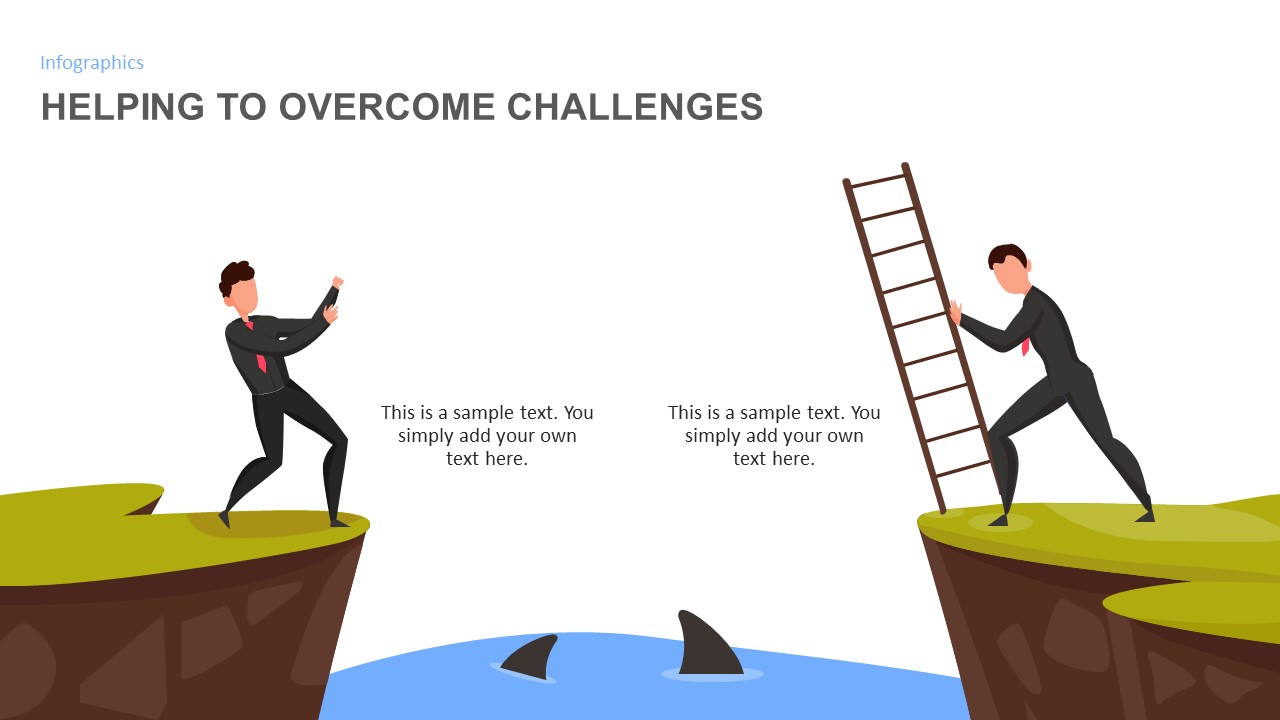
Embarking on a new technical skill can be daunting. Recognizing the specific anxieties that surface is the first step towards managing them. This section delves into common fears, providing a framework for understanding and addressing them effectively.
Common Anxieties
Several anxieties frequently accompany the decision to learn a new technical skill. Understanding these common fears allows for targeted strategies to overcome them. Here’s a breakdown of the most prevalent concerns, presented in a 4-column responsive table:
| Fear | Description | Impact | Mitigation Strategy |
|---|---|---|---|
| Fear of Failure | Worrying about not mastering the skill or making mistakes. | Can lead to procrastination, avoidance, and perfectionism. | Embrace mistakes as learning opportunities; focus on the process, not just the outcome. |
| Fear of Judgment | Concern about being criticized by peers, superiors, or the public. | May hinder asking for help or sharing work, limiting progress. | Seek out supportive communities; remember everyone starts somewhere. |
| Fear of Complexity | Feeling overwhelmed by the perceived difficulty of the skill. | Can cause a feeling of paralysis and a sense of inadequacy. | Break down the skill into smaller, manageable steps; focus on one concept at a time. |
| Fear of Time Commitment | Worrying about the time investment required to learn the skill. | May lead to avoiding starting due to perceived time constraints. | Set realistic goals and allocate dedicated learning time; celebrate small victories. |
Fear of Failure
The fear of failure is a powerful deterrent in the learning process. It stems from a desire to avoid embarrassment, protect self-esteem, and maintain a sense of competence. This fear can manifest in various ways, such as avoiding challenging tasks, procrastinating, or giving up altogether when faced with setbacks. For instance, a software developer might hesitate to attempt a new coding language, fearing they won’t grasp the concepts quickly or produce flawless code.
This can lead to stagnation in their skill set.This fear often leads to:
- Perfectionism: Setting unrealistically high standards, leading to disappointment and a reluctance to share work.
- Procrastination: Delaying the start of learning or avoiding difficult aspects of the skill.
- Avoidance: Steering clear of tasks that seem too challenging or that might expose weaknesses.
Overcoming this fear involves shifting the mindset from a focus on the outcome to a focus on the process. Recognize that mistakes are inevitable and are crucial for learning. Embrace the iterative nature of skill acquisition, where progress is made through experimentation, feedback, and refinement. Consider the experiences of successful individuals who have mastered complex technical skills. They, too, encountered failures along the way, using them as stepping stones to improvement.
Fear of Judgment
The fear of judgment can significantly impact a learner’s progress. This fear often arises from concerns about how peers, superiors, or even the wider online community will perceive their abilities. This can manifest in several ways: reluctance to ask questions, a hesitancy to share work for feedback, and a general reluctance to participate in learning activities.This fear can lead to:
- Reduced Participation: Avoiding asking questions in class or online forums, hindering understanding.
- Withholding Work: Hesitating to share projects or code for review, preventing valuable feedback.
- Social Isolation: Feeling isolated from the learning community, reducing support and collaboration.
To combat this fear, actively seek out supportive learning environments. This might involve joining online communities, attending workshops, or connecting with mentors who can provide constructive feedback and encouragement. Remember that everyone starts as a beginner, and most people are willing to help and share their knowledge. Focus on your personal growth rather than external validation. Realize that seeking feedback is a sign of initiative and a commitment to improvement.
“Feedback is a gift.”
Sheryl Sandberg
Apprehension Related to Complexity
The perceived complexity of technical concepts is a significant barrier for many learners. Technical fields often involve intricate terminology, abstract concepts, and steep learning curves. This can lead to a feeling of being overwhelmed and a belief that the skill is beyond one’s capabilities. For example, someone interested in data science might feel intimidated by the mathematical formulas, statistical methods, and coding languages involved.
This can lead to a sense of paralysis and a reluctance to begin.This apprehension often leads to:
- Overwhelm: Feeling lost and confused by the sheer volume of information and the speed at which new concepts are introduced.
- Self-Doubt: Questioning one’s ability to grasp the concepts and apply them effectively.
- Avoidance of Challenge: Choosing to stick to familiar, simpler tasks rather than tackling more complex challenges.
To mitigate this, break down complex concepts into smaller, more manageable steps. Focus on understanding one concept at a time before moving on to the next. Utilize resources that simplify complex topics, such as tutorials, online courses, and interactive exercises. Seek out mentors or instructors who can provide clear explanations and guidance. Remember that mastery of any technical skill is a gradual process, not an instant achievement.
Celebrate small victories and acknowledge the progress made, regardless of how slow it may seem. The key is to consistently build upon foundational knowledge.
Setting Realistic Expectations
Setting realistic expectations is crucial when embarking on the journey of learning a new technical skill. It helps to manage potential feelings of overwhelm, discouragement, and the fear of failure. By establishing achievable goals and understanding the learning process, you can maintain motivation and build a strong foundation for long-term success.
Framework for Setting Achievable, Short-Term Goals
Establishing a framework for short-term goals helps to break down the complexity of learning a new skill. These goals should be specific, measurable, achievable, relevant, and time-bound (SMART). Focusing on short-term achievements provides a sense of progress and keeps you engaged.
- Define Specific Goals: Clearly state what you want to accomplish. Instead of “Learn Python,” define it as “Write a program that can calculate the area of a circle.”
- Make Goals Measurable: Quantify your progress. For example, “Complete 5 coding exercises per week” or “Read 2 chapters of the Python tutorial each day.”
- Ensure Goals Are Achievable: Start with tasks that are within your current skill level. Avoid setting overly ambitious goals that might lead to frustration.
- Keep Goals Relevant: Align your goals with your overall learning objectives. Make sure that each short-term goal contributes to your long-term goal.
- Set Time-Bound Goals: Assign a deadline to each goal. For example, “Finish the first module of the course by the end of the week.”
Guide to Breaking Down a Complex Skill into Smaller, Manageable Steps
Breaking down a complex skill into smaller steps transforms an overwhelming task into a series of manageable actions. This approach simplifies the learning process and reduces the likelihood of feeling overwhelmed. This method involves creating a hierarchical structure, starting with broad concepts and gradually moving to more specific components.For example, learning “Web Development” can be broken down into these steps:
- Identify the Core Concepts: Begin with understanding HTML, CSS, and JavaScript, the foundational languages of web development.
- Focus on Each Language: Break down each language into smaller steps. For HTML, learn about tags, attributes, and document structure. For CSS, learn about selectors, properties, and styling. For JavaScript, learn about variables, functions, and DOM manipulation.
- Practice with Projects: Build small projects to reinforce learning. Start with simple websites and gradually increase complexity.
- Iterate and Refine: Review your code and seek feedback. Refine your understanding of the languages.
Plan for Tracking Progress and Celebrating Small Victories
Tracking progress and celebrating small victories is essential for maintaining motivation and recognizing accomplishments. It provides a visual representation of your journey and reinforces the positive aspects of learning. This approach involves several elements.
- Choose a Tracking Method: Use a spreadsheet, a notebook, or a project management tool to track your progress.
- Record Your Activities: Note the tasks you complete, the time spent, and any challenges encountered.
- Visualize Your Progress: Create charts or graphs to visualize your progress. This can be done with the help of project management software.
- Celebrate Milestones: Acknowledge and reward yourself for achieving milestones. This could be anything from a short break to a small treat.
Strategies for Managing the Expectations of Others and Oneself
Managing expectations, both for yourself and others, is vital for maintaining a positive learning experience. It prevents external pressures from undermining your progress and helps you stay focused on your goals.
- Communicate Your Goals: Share your learning goals with friends, family, or mentors.
- Set Realistic Timeframes: Inform others about the expected time it will take to learn the skill. Be upfront about the learning curve.
- Manage External Pressure: Politely decline any unreasonable expectations. Explain your need to focus on learning.
- Practice Self-Compassion: Be kind to yourself. Acknowledge that setbacks are a normal part of the learning process.
- Adjust Your Pace: Adapt your learning pace to your personal needs. Do not be afraid to slow down or take breaks when needed.
Building a Growth Mindset
Cultivating a growth mindset is crucial for overcoming the fear of learning new technical skills. This involves believing that your abilities and intelligence are not fixed but can be developed through dedication and hard work. Embracing this mindset transforms challenges into opportunities for growth and resilience.
Cultivating a Growth Mindset
A growth mindset emphasizes the belief that intelligence and skills can be developed. This contrasts with a fixed mindset, which assumes that abilities are innate and unchangeable. Adopting a growth mindset fundamentally alters your approach to learning and challenges.
- Embrace Challenges: View challenges as opportunities for growth rather than threats to your abilities. Seek out difficult tasks as a chance to learn and improve.
- Persist in the Face of Setbacks: See failure not as a sign of inadequacy but as a stepping stone to success. Persevere through obstacles, understanding that effort and learning are key to overcoming them.
- Value Effort: Recognize that effort is the primary driver of achievement. Focus on the process of learning and improvement, rather than solely on outcomes.
- Learn from Criticism: View constructive criticism as a valuable source of information for improvement. Seek feedback and use it to refine your skills and understanding.
- Find Inspiration in Others’ Success: Celebrate the achievements of others and use them as motivation. See their success as evidence of what is possible through effort and learning.
Reframing Failures as Learning Opportunities
Changing your perspective on failure is a powerful technique. Instead of viewing failures as personal shortcomings, reframe them as valuable learning experiences. This allows you to extract insights and adjust your approach.
- Analyze the Failure: Take time to understand why the failure occurred. Identify the specific areas where you struggled or made mistakes.
- Extract Lessons Learned: Determine what you can learn from the experience. What new knowledge or skills did you gain? What strategies can you adjust?
- Develop a Plan for Improvement: Based on the lessons learned, create a plan to improve. This might involve practicing specific skills, seeking additional resources, or changing your approach.
- Document the Process: Keep a record of your failures and the lessons you learned. This can serve as a valuable reference and reminder of your growth.
- Practice Self-Compassion: Be kind to yourself. Acknowledge that everyone makes mistakes, and treat yourself with the same understanding and support you would offer a friend.
Building Resilience When Facing Challenges
Resilience is the ability to bounce back from adversity. Developing resilience is essential for navigating the inevitable challenges of learning new technical skills. This involves cultivating mental and emotional strength to overcome obstacles.
- Develop a Support System: Surround yourself with supportive people who can offer encouragement and guidance. This could include mentors, colleagues, or friends.
- Practice Self-Care: Prioritize your physical and mental well-being. Get enough sleep, eat a healthy diet, and engage in activities that reduce stress.
- Set Realistic Goals: Break down large goals into smaller, more manageable steps. This can make the learning process feel less overwhelming and increase your sense of accomplishment.
- Challenge Negative Thoughts: Identify and challenge negative self-talk. Replace negative thoughts with more positive and realistic ones.
- Celebrate Small Victories: Acknowledge and celebrate your progress, no matter how small. This can boost your motivation and build momentum.
Seeking and Embracing Constructive Criticism
Constructive criticism is invaluable for growth, providing insights and guidance that can help you improve your skills. Learning to seek and embrace this feedback is a key aspect of developing a growth mindset.
- Actively Seek Feedback: Ask for feedback from mentors, peers, and instructors. Be specific about what areas you want feedback on.
- Listen Actively: Pay close attention to the feedback you receive. Avoid interrupting or becoming defensive.
- Ask Clarifying Questions: If you don’t understand the feedback, ask for clarification. Make sure you fully understand the points being made.
- Focus on the Behavior, Not the Person: Concentrate on the specific behaviors or skills that need improvement, rather than taking the criticism personally.
- Thank the Feedback Provider: Express your gratitude for the feedback. This shows that you value their input and are open to learning.
Developing a Learning Strategy

Developing a solid learning strategy is crucial for overcoming the fear of starting a new technical skill. A well-defined plan provides structure, boosts confidence, and helps you track progress. This section will guide you through selecting the right resources, employing effective learning techniques, creating a structured schedule, and integrating practice and application into your learning journey.
Selecting Learning Resources
Choosing the right learning resources is the foundation of successful skill acquisition. Different resources cater to various learning styles and preferences. Consider these points when making your selection:
- Identify Your Learning Style: Some people learn best through visual aids like videos, while others prefer reading or hands-on practice. Understanding your preferred style helps you select resources that align with it.
- Consider the Skill Level: Begin with beginner-friendly resources and gradually progress to more advanced materials. This approach prevents overwhelm and builds a strong foundation.
- Evaluate Resource Quality: Look for resources created by reputable sources, such as universities, industry experts, or well-established online platforms. Read reviews and testimonials to gauge the quality and effectiveness of the resource.
- Explore Diverse Formats: A combination of resources, such as tutorials, documentation, online courses, and books, can offer a more comprehensive learning experience.
- Utilize Free and Paid Options: Many free resources, like YouTube tutorials and open-source documentation, can be incredibly valuable. Paid courses and subscriptions often offer more structured content, personalized feedback, and community support.
Effective Learning Techniques
Employing effective learning techniques enhances knowledge retention and skill development. Here are some proven methods:
- Spaced Repetition: Reviewing material at increasing intervals helps solidify information in long-term memory. This technique is particularly useful for memorizing facts and concepts.
- Active Recall: Instead of passively reading, try to retrieve information from memory. For example, after reading a chapter, attempt to explain the concepts without looking at the text.
- The Feynman Technique: Explain a concept in simple terms as if you were teaching it to someone else. This method reveals gaps in your understanding and forces you to simplify complex ideas.
- Teach Others: Explaining concepts to others reinforces your own understanding and identifies areas where you need further clarification.
- Practice and Application: Consistently applying what you learn through exercises and projects is essential for developing practical skills.
Creating a Structured Learning Schedule
A structured schedule provides consistency and helps you stay on track. Here’s how to create an effective learning schedule:
- Set Realistic Goals: Break down the skill into smaller, manageable steps. This makes the learning process less daunting and allows you to celebrate small victories.
- Allocate Specific Time Blocks: Dedicate specific time slots in your week for learning. Consistency is key, even if it’s just for a short period each day.
- Prioritize and Schedule: Identify the most important topics or concepts and schedule them first. Use a calendar or planner to track your progress.
- Incorporate Breaks: Regular breaks prevent burnout and improve focus. Take short breaks every hour and longer breaks throughout the day.
- Be Flexible: Adjust your schedule as needed. Life happens, and it’s okay to modify your plan to accommodate unexpected events.
Integrating Practice and Application
Practice and application are critical for turning theoretical knowledge into practical skills. Consider these strategies:
- Hands-on Exercises: Complete exercises and coding challenges to apply what you’ve learned. Websites like HackerRank and LeetCode offer practice problems for various programming languages.
- Personal Projects: Build projects that interest you. This allows you to apply your skills in a real-world context and gain valuable experience.
- Seek Feedback: Share your work with others and ask for feedback. This can help you identify areas for improvement and learn from different perspectives.
- Document Your Progress: Keep a record of your projects, code snippets, and lessons learned. This will serve as a valuable reference and showcase your progress over time.
- Iterate and Refine: Don’t be afraid to experiment, make mistakes, and iterate on your work. Learning is an ongoing process of improvement.
Finding Support and Community
Starting a new technical skill can feel like a solo journey, but it doesn’t have to be. Building a supportive network can significantly ease the learning process and boost your confidence. Connecting with others who share your interests and goals provides encouragement, answers to your questions, and opportunities for growth.
Benefits of Online Communities and Forums
Online communities and forums offer a wealth of benefits for learners. They are accessible 24/7 and provide a space to connect with people from all over the world.
- Access to Diverse Perspectives: Forums host individuals with varying levels of experience, from complete beginners to seasoned professionals. This allows you to gain insights from different viewpoints and learn from a wide range of expertise.
- Immediate Answers and Troubleshooting: When you get stuck, online communities are invaluable. You can post your questions, describe the errors you’re encountering, and receive help from others who have likely faced similar challenges. This can save you hours of frustration.
- Resource Sharing and Knowledge Exchange: Members often share valuable resources like tutorials, code snippets, and links to helpful articles. You can also contribute by sharing your own discoveries and insights.
- Motivation and Encouragement: Seeing others succeed and supporting each other fosters a sense of camaraderie. Positive feedback and encouragement from peers can keep you motivated, especially during challenging times.
- Networking Opportunities: Online communities can facilitate connections that may lead to job opportunities, collaborations, or mentorships. Building relationships within a community can be a significant career advantage.
Seeking Mentorship or Guidance
Finding a mentor can provide invaluable support and accelerate your learning journey. Mentors offer personalized guidance, share their experience, and help you avoid common pitfalls.
- Identifying Potential Mentors: Look for experienced individuals who have mastered the skill you’re learning. Consider professionals working in your desired field or those who are actively involved in online communities.
- Reaching Out and Building a Relationship: When contacting potential mentors, be respectful and specific about your goals. Explain why you admire their work and how you believe they can help you. Offer to assist them in any way you can.
- Setting Clear Expectations: Establish the frequency and format of your mentorship sessions. Define the topics you want to cover and the goals you want to achieve. Be prepared to take notes and actively participate in the sessions.
- Being Proactive and Showing Gratitude: Come prepared with questions and examples of your work. Show appreciation for your mentor’s time and guidance. Follow through on any advice or assignments they give you.
Finding Accountability Partners
Accountability partners can help you stay on track and meet your learning goals. They provide regular check-ins, offer support, and help you maintain consistency.
- Identifying Potential Partners: Look for individuals who are also learning the same skill or a related one. Choose someone who is committed, reliable, and shares your dedication to learning.
- Establishing a Regular Schedule: Schedule regular check-in meetings, whether weekly or bi-weekly. Use these meetings to discuss your progress, challenges, and upcoming goals.
- Setting Clear Goals and Tracking Progress: Define specific, measurable, achievable, relevant, and time-bound (SMART) goals. Share your progress with your accountability partner and celebrate your achievements together.
- Providing Mutual Support and Encouragement: Offer support and encouragement to your accountability partner. Celebrate their successes and help them overcome challenges.
Leveraging Networking Opportunities
Networking provides valuable opportunities for learning, support, and career advancement. By connecting with others in your field, you can expand your knowledge, find mentors, and discover new opportunities.
- Attending Workshops and Conferences: Workshops and conferences provide opportunities to learn from experts, network with peers, and stay up-to-date on industry trends. Take advantage of these events to connect with other learners and professionals.
- Joining Professional Organizations: Professional organizations offer networking events, resources, and mentorship programs. They can provide a sense of community and help you build your professional network.
- Participating in Online Events: Online webinars, meetups, and virtual conferences provide opportunities to connect with people from around the world. Participate in discussions, ask questions, and build relationships with other attendees.
- Building Your Online Presence: Create a professional online presence through platforms like LinkedIn, GitHub, or a personal website. Share your projects, engage in discussions, and connect with other professionals.
Practical Techniques for Overcoming Fear
The journey of learning a new technical skill is often paved with fear. This fear can manifest in various ways, from the initial hesitation to start to the self-doubt that creeps in when faced with challenges. Fortunately, there are several practical techniques you can employ to proactively manage and overcome these fears, allowing you to embrace the learning process with greater confidence and resilience.
This section focuses on providing actionable strategies to equip you with the tools needed to conquer your anxieties and foster a positive learning experience.
Relaxation Techniques for Managing Anxiety
Anxiety can be a significant barrier to learning. When feeling anxious, the brain’s ability to focus and process information is compromised. Employing relaxation techniques can help calm the nervous system, reducing anxiety and creating a more conducive environment for learning.
- Deep Breathing Exercises: Deep breathing helps activate the parasympathetic nervous system, which is responsible for the “rest and digest” response. This counteracts the “fight or flight” response triggered by anxiety.
- Diaphragmatic Breathing (Belly Breathing): Place one hand on your chest and the other on your stomach. Inhale deeply through your nose, allowing your stomach to rise while keeping your chest relatively still. Exhale slowly through your mouth, feeling your stomach fall.
Repeat this for several minutes.
- Box Breathing: Inhale for a count of four, hold your breath for a count of four, exhale for a count of four, and hold your breath again for a count of four. Repeat this cycle.
- Diaphragmatic Breathing (Belly Breathing): Place one hand on your chest and the other on your stomach. Inhale deeply through your nose, allowing your stomach to rise while keeping your chest relatively still. Exhale slowly through your mouth, feeling your stomach fall.
- Progressive Muscle Relaxation (PMR): PMR involves tensing and then releasing different muscle groups in your body, systematically reducing physical tension. Start by tensing the muscles in your toes for a few seconds, then release them. Work your way up your body, tensing and releasing each muscle group.
- Mindfulness Meditation: Mindfulness meditation involves focusing on the present moment without judgment. This can help to detach from anxious thoughts and feelings. Find a quiet space, sit comfortably, and focus on your breath. When your mind wanders, gently redirect your attention back to your breath. There are many guided meditation apps and resources available to assist with this practice.
- Visualization: Visualization involves creating a mental image of a calm and peaceful place or situation. This can help to shift your focus away from anxious thoughts. Close your eyes and imagine yourself in a relaxing environment, such as a beach or a forest. Engage all your senses by visualizing the sights, sounds, smells, and textures of your chosen environment.
- Regular Physical Exercise: Physical activity is a natural stress reliever. Exercise releases endorphins, which have mood-boosting effects. Aim for at least 30 minutes of moderate-intensity exercise most days of the week. This could include activities like brisk walking, jogging, swimming, or cycling.
Methods for Visualizing Success and Building Confidence
Visualization is a powerful tool for building confidence and overcoming fear. By mentally rehearsing success, you can prime your brain to believe in your ability to achieve your goals. This positive self-talk and mental imagery can significantly reduce anxiety and increase motivation.
- Create a Detailed Mental Picture: Close your eyes and vividly imagine yourself successfully completing the task you are learning. See yourself overcoming challenges, problem-solving effectively, and feeling confident and competent. Imagine the specific steps involved, the tools you’re using, and the positive outcomes.
- Focus on the Process, Not Just the Outcome: Instead of solely focusing on the final result, visualize the steps you will take to achieve it. This can make the goal feel less daunting and more manageable. Break down the task into smaller, more achievable steps and visualize yourself successfully completing each one.
- Use Positive Self-Talk: Replace negative self-talk with positive affirmations. Remind yourself of your past successes and your ability to learn and adapt. Repeat positive statements such as, “I am capable,” “I can learn this,” and “I will succeed.”
- Incorporate Sensory Details: Engage all your senses when visualizing success. Imagine the sounds, sights, smells, and even the textures associated with the task. This will make the visualization more vivid and impactful. For example, if you are learning to code, imagine the sound of the keyboard, the look of the code on the screen, and the feeling of accomplishment when the program runs correctly.
- Practice Regularly: Consistent visualization practice strengthens your mental resilience and reinforces your belief in your ability to succeed. Dedicate a few minutes each day to visualizing your success.
Strategies for Gradual Exposure to Challenging Tasks
Gradual exposure, also known as systematic desensitization, is a technique used to overcome fears by gradually exposing oneself to the feared situation or task in a controlled and manageable way. This method allows you to build confidence and reduce anxiety over time.
- Break Down Tasks into Smaller Steps: Identify the specific elements of the task that trigger your fear. Then, break down the task into smaller, more manageable steps. This makes the overall challenge less overwhelming and allows you to build confidence incrementally. For example, if you fear public speaking, start by practicing in front of a mirror, then to a small group of friends, and gradually increase the audience size.
- Start with Easier Challenges: Begin with tasks that are less anxiety-provoking and gradually progress to more challenging ones. This allows you to build momentum and gain confidence as you master each step. If you are learning a new programming language, start with simple programs and gradually work your way up to more complex projects.
- Create a Hierarchy of Challenges: Make a list of the tasks you need to complete, ranking them from least to most challenging. Start at the bottom of the list and work your way up. This allows you to track your progress and celebrate your successes along the way.
- Set Realistic Goals: Avoid setting overly ambitious goals that can lead to frustration and discouragement. Instead, set small, achievable goals that allow you to experience a sense of accomplishment.
- Celebrate Your Progress: Acknowledge and celebrate your successes, no matter how small. This reinforces your positive self-belief and motivates you to continue learning. Treat yourself after completing a challenging step.
- Seek Feedback: Ask for feedback from mentors, peers, or instructors. Constructive criticism can help you identify areas for improvement and gain a different perspective on your progress.
Affirmations to Boost Self-Belief
Affirmations are positive statements that can help reprogram your subconscious mind and build self-belief. Regularly repeating affirmations can help you challenge negative thought patterns, reduce self-doubt, and cultivate a more positive mindset.
- “I am capable of learning new skills.” This affirmation reinforces the belief in your ability to acquire new knowledge and abilities.
- “I am resilient and can overcome challenges.” This affirmation promotes the belief in your ability to bounce back from setbacks and persevere.
- “I am worthy of success and deserve to achieve my goals.” This affirmation fosters a sense of self-worth and empowers you to pursue your aspirations.
- “I am confident in my abilities and trust my judgment.” This affirmation builds self-assurance and helps you make decisions with conviction.
- “I embrace challenges as opportunities for growth and learning.” This affirmation encourages a growth mindset and promotes a positive attitude towards challenges.
- “I am committed to my learning journey and will persist until I succeed.” This affirmation reinforces your dedication and determination to achieve your goals.
- “I am improving every day, and my skills are constantly evolving.” This affirmation focuses on continuous improvement and reinforces the idea that learning is a journey, not a destination.
Dealing with Setbacks and Challenges
Learning a new technical skill is rarely a smooth, linear progression. Setbacks are inevitable and, in fact, are critical components of the learning process. They provide opportunities for growth, refinement, and a deeper understanding of the subject matter. Approaching these challenges constructively is key to long-term success.
Setbacks as Part of the Learning Journey
Understanding that setbacks are normal is the first step. They are not indicators of failure, but rather, valuable data points.Learning a new skill is like climbing a mountain. You might take a wrong turn, encounter a rockslide, or face unexpected weather. These are all setbacks. They don’t mean you should abandon the climb; they mean you need to adjust your route, improve your equipment, or wait for the storm to pass.Consider the development of the first computer.
Early computers were incredibly unreliable and prone to errors. Engineers and programmers faced constant setbacks, debugging code, and fixing hardware failures. These challenges, however, fueled innovation, leading to the development of more robust and efficient systems. Each setback taught them something new, contributing to the advancements we see today.
Analyzing the Causes of Setbacks
Identifying the root cause of a setback is crucial for learning and preventing similar issues in the future. This involves a process of self-reflection and analysis.Here’s a structured approach:
- Identify the specific problem: Clearly define what went wrong. What task were you attempting, and what was the outcome? Be as precise as possible. For example, instead of saying “My code didn’t work,” specify “The program crashed when I entered a negative number.”
- Review your process: Examine the steps you took leading up to the setback. What did you do? What tools or resources did you use? Did you follow your learning strategy?
- Analyze the potential causes: Consider possible reasons for the problem. Was there a misunderstanding of a concept? Did you make a syntax error? Were you using the correct tools or libraries? Did you lack the necessary foundational knowledge?
- Consult resources: Research the problem. Use search engines, documentation, forums (like Stack Overflow), or ask for help from mentors or peers.
- Test and iterate: Implement potential solutions and test them. If the first solution doesn’t work, go back to the analysis and try again.
For example, if you’re learning web development and your website isn’t displaying properly, you might analyze the HTML, CSS, and JavaScript code. You could use the browser’s developer tools to identify errors, check for typos, and ensure that the files are linked correctly.
Adapting the Learning Approach
After a setback, it’s essential to adjust your learning approach. This might involve changing your study habits, seeking different resources, or focusing on foundational concepts.Here are strategies to adapt your approach:
- Review foundational concepts: Often, setbacks reveal gaps in your understanding of fundamental principles. Go back and revisit these areas. For example, if you struggle with object-oriented programming, review the basics of classes, objects, inheritance, and polymorphism.
- Modify your learning strategy: Experiment with different learning techniques. If you’ve been relying solely on reading, try hands-on projects, interactive tutorials, or coding challenges.
- Seek different resources: The materials you’re using might not be the best fit for your learning style. Try a different textbook, online course, or tutorial series.
- Break down complex tasks: If a setback occurred on a complex task, break it down into smaller, more manageable subtasks. This makes the overall project less daunting and allows for incremental progress.
- Practice consistently: Regular practice reinforces your understanding and helps you identify and address weaknesses. Even short, focused sessions can be more effective than infrequent, long sessions.
Maintaining Motivation During Slow Progress
Slow progress can be disheartening, but it’s important to stay motivated. Several strategies can help you maintain momentum during these periods.Here’s how to stay motivated:
- Set small, achievable goals: Break down larger goals into smaller, more manageable steps. This creates a sense of accomplishment as you complete each step, boosting your motivation.
- Celebrate small victories: Acknowledge and celebrate your progress, no matter how small. This positive reinforcement helps to maintain your enthusiasm.
- Focus on the process, not just the outcome: Enjoy the learning journey, rather than solely focusing on the end result. Appreciate the challenges and the opportunity to learn and grow.
- Connect with others: Join a study group, online community, or find a mentor. Sharing your experiences and learning from others can provide support and motivation.
- Take breaks and practice self-care: Avoid burnout by taking regular breaks and prioritizing your well-being. This can involve physical exercise, mindfulness, or pursuing hobbies unrelated to your technical skill.
- Visualize success: Imagine yourself successfully using your new skill. This can help to increase your motivation and confidence.
Consider the example of learning a new programming language. It’s common to hit plateaus where progress seems slow. Instead of giving up, break the learning into smaller projects, like building a simple calculator, then a basic to-do list app, and finally a more complex project like a web application. Each completed project provides a sense of accomplishment and fuels the motivation to continue learning.
Resources and Tools

Learning a new technical skill is significantly easier when you have access to the right resources and tools. These resources provide guidance, support, and practical opportunities to apply what you’ve learned. They can range from free online courses and documentation to specialized software and collaborative communities. This section will explore a variety of resources and tools to help you on your learning journey.The availability of these resources empowers learners, regardless of their budget or background.
They foster a supportive learning environment where individuals can connect, share knowledge, and overcome challenges together.
Free Online Resources for Learning
The internet offers a vast array of free resources for learning technical skills. These resources can be incredibly valuable for beginners and experienced learners alike.
- Online Learning Platforms: Platforms like Coursera, edX, and Udacity offer a wide range of courses, often in partnership with universities and industry experts. These platforms frequently provide free courses, or free access to course content with the option to pay for graded assignments and certificates. For example, a beginner interested in Python could access a free course covering the basics of the language, including data types, control structures, and functions.
- YouTube Channels: YouTube is an excellent source of free tutorials, walkthroughs, and coding demonstrations. Channels dedicated to specific programming languages, software applications, or technical concepts can provide step-by-step instructions and visual explanations. A learner can find tutorials on how to use a specific software, such as Adobe Photoshop, or learn the fundamentals of web development.
- Documentation and Tutorials: Official documentation for programming languages, software, and frameworks is a crucial resource. Websites like MDN Web Docs (for web development) and the Python documentation provide detailed explanations and examples. The official documentation for a programming language like JavaScript is an invaluable resource for understanding its syntax, functions, and best practices.
- Coding Challenges and Practice Sites: Websites like freeCodeCamp, HackerRank, and LeetCode offer coding challenges and practice problems. These platforms allow learners to apply their skills and improve their problem-solving abilities. These platforms are useful for practicing algorithms and data structures, which are essential for software development.
- Open Source Projects: Contributing to open-source projects provides real-world experience and allows learners to learn from experienced developers. Platforms like GitHub host numerous open-source projects where learners can contribute code, documentation, or bug fixes.
Recommended Books and Courses
While free online resources are plentiful, investing in high-quality books and courses can accelerate your learning and provide a more structured approach. The following are some recommendations:
- Books for Beginners:
- “Automate the Boring Stuff with Python” by Al Sweigart (for Python beginners). This book is highly practical and focuses on automating everyday tasks using Python.
- “HTML and CSS: Design and Build Websites” by Jon Duckett (for web development beginners). This book provides a visually appealing and easy-to-understand introduction to HTML and CSS.
- “JavaScript & JQuery: Interactive Front-End Web Development” by Jon Duckett (for JavaScript beginners).
- Books for Intermediate Learners:
- “Clean Code: A Handbook of Agile Software Craftsmanship” by Robert C. Martin (for software development best practices). This book provides guidance on writing clean, readable, and maintainable code.
- “Design Patterns: Elements of Reusable Object-Oriented Software” by Erich Gamma, Richard Helm, Ralph Johnson, and John Vlissides (for software design). This book explores common design patterns that can be used to solve software design problems.
- Online Courses:
- Coursera: Offers courses from top universities and industry experts, covering a wide range of technical skills. Consider a course on data science from Johns Hopkins University or a machine learning course from Stanford University.
- edX: Similar to Coursera, edX provides access to courses from universities worldwide.
- Udemy: Provides a large selection of courses at various price points. Consider a course on web development or data analysis.
- Codecademy: Provides interactive coding courses.
Helpful Software and Tools for Practice and Projects
Various software and tools are essential for practicing and working on projects. The specific tools will depend on the technical skill you are learning.
- Code Editors and IDEs: Code editors and integrated development environments (IDEs) are crucial for writing and editing code. Popular choices include:
- Visual Studio Code (VS Code): A versatile and free code editor with extensive features and extensions.
- Sublime Text: A fast and customizable text editor.
- Atom: A hackable text editor.
- PyCharm: An IDE specifically for Python development.
- IntelliJ IDEA: An IDE for Java and other languages.
- Version Control Systems: Version control systems like Git are essential for tracking changes to your code and collaborating with others.
- Git: The most popular version control system.
- GitHub, GitLab, and Bitbucket: Online platforms for hosting Git repositories and collaborating on projects.
- Development Environments: Depending on the skill, you may need specific development environments.
- For web development: a web browser (Chrome, Firefox, Safari, etc.) and a server environment (e.g., Node.js).
- For data science: Python with libraries like NumPy, Pandas, and scikit-learn.
- For mobile app development: Android Studio (for Android) and Xcode (for iOS).
- Project Management Tools: These tools help organize and track your projects.
- Trello: A visual project management tool.
- Asana: A more comprehensive project management platform.
- Jira: A project management tool often used in software development.
How to Use Visual Studio Code (VS Code)
Visual Studio Code (VS Code) is a widely used and versatile code editor that supports numerous programming languages. Its features include syntax highlighting, code completion, debugging, and integrated Git support. Here’s how to use VS Code:
1. Installation
Download and install VS Code from the official website (code.visualstudio.com).
2. Opening a Project
Open a folder or workspace by clicking “File” -> “Open Folder” or “Open Workspace”. This is where your project files will be located.
3. Creating and Editing Files
Create new files using “File” -> “New File” or right-clicking in the Explorer sidebar and selecting “New File”. Edit the file by typing code.
4. Syntax Highlighting and Code Completion
VS Code automatically provides syntax highlighting for various programming languages, making it easier to read and understand your code. It also offers code completion suggestions as you type, speeding up the coding process.
5. Extensions
VS Code supports extensions that add functionality to the editor. Install extensions by clicking on the Extensions icon (usually the square icon on the left sidebar) and searching for the extension you need (e.g., Python, JavaScript, HTML).
6. Debugging
VS Code has built-in debugging support. To debug your code, set breakpoints in your code by clicking in the gutter (the space to the left of the line numbers). Then, start the debugger by clicking the Debug icon (the bug icon on the left sidebar) and selecting the appropriate launch configuration.
7. Git Integration
VS Code has built-in Git integration. You can initialize a Git repository, stage and commit changes, and push and pull code from remote repositories directly within VS Code. The Source Control icon (the icon that looks like a branching tree) on the left sidebar provides access to Git functionality.
8. Customization
Customize VS Code’s appearance and behavior by going to “File” -> “Preferences” -> “Settings”.
Celebrating Progress and Maintaining Momentum
Recognizing and celebrating your achievements is crucial for staying motivated and engaged when learning a new technical skill. It reinforces positive behaviors, boosts self-esteem, and helps you maintain the momentum needed to continue your learning journey. Celebrating small wins and milestones transforms the learning process into an enjoyable and rewarding experience, preventing burnout and fostering a growth mindset.
The Importance of Recognizing and Celebrating Achievements
Acknowledging your progress, no matter how small, is vital for maintaining motivation. It provides positive reinforcement and a sense of accomplishment, encouraging you to persevere through challenges. Celebrating achievements also helps to solidify the skills you’ve learned and build confidence in your abilities.
- Boosts Motivation: Celebrating milestones provides a sense of accomplishment, making the learning process more enjoyable and less daunting. This positive reinforcement encourages continued effort and helps to prevent discouragement.
- Reinforces Learning: Taking time to reflect on your achievements helps you to solidify the knowledge and skills you’ve acquired. It allows you to see how far you’ve come and recognize the value of your efforts.
- Builds Confidence: Each achievement, no matter how small, contributes to your overall confidence. As you recognize your progress, you’ll become more confident in your ability to learn and master new technical skills.
- Prevents Burnout: Celebrating successes provides a much-needed break from the intense focus required for learning. It helps you to recharge and prevents burnout by creating a more balanced and sustainable learning experience.
Methods for Maintaining Momentum and Staying Engaged
Maintaining momentum requires a proactive approach. By incorporating specific strategies into your learning routine, you can stay engaged and focused on your goals. These methods focus on creating a supportive environment and making learning a consistent and enjoyable experience.
- Set Realistic Goals: Break down your learning objectives into smaller, manageable tasks. Achieving these smaller goals provides a sense of accomplishment and helps to maintain momentum.
- Track Your Progress: Keep a record of your accomplishments, whether through a journal, spreadsheet, or learning platform. This allows you to visualize your progress and see how far you’ve come.
- Reward Yourself: Establish a system of rewards for completing milestones. These rewards can be anything from taking a break to enjoying a favorite activity.
- Find a Learning Buddy or Community: Share your progress and celebrate successes with others. This provides support, accountability, and a sense of camaraderie.
- Vary Your Learning Methods: Experiment with different learning techniques, such as online courses, books, and hands-on projects, to keep things interesting and avoid monotony.
Strategies for Setting New Goals After Mastering a Skill
Once you’ve mastered a technical skill, setting new goals is essential for continued growth and engagement. These new goals should build upon your existing knowledge and challenge you to expand your skillset further. This process ensures continuous improvement and keeps you motivated.
- Identify Areas for Improvement: Reflect on your current skills and identify areas where you can deepen your knowledge or improve your proficiency. Consider what you want to be able to do with the skill you have already learned.
- Set Specific and Measurable Goals: Define your new goals clearly and make them measurable. This will help you track your progress and stay motivated.
- Research Advanced Topics: Explore more advanced concepts and techniques related to your existing skill. This can involve taking advanced courses, reading specialized books, or working on more complex projects.
- Explore Related Skills: Consider learning skills that complement your existing expertise. This can expand your capabilities and make you more versatile. For example, if you are a web developer, learning about UX/UI design or data analysis can significantly improve your capabilities.
- Seek Feedback and Mentorship: Get feedback from experienced professionals and seek mentorship to gain insights and guidance on your learning path. This provides valuable support and helps you to stay on track.
The Benefits of Continuously Learning and Expanding One’s Skillset
Continuous learning and expanding your skillset offer numerous benefits, both personally and professionally. It leads to increased opportunities, improved performance, and a greater sense of fulfillment. This constant pursuit of knowledge fosters adaptability and resilience in a rapidly changing world.
- Increased Career Opportunities: Possessing a diverse and up-to-date skillset makes you more competitive in the job market. It opens doors to new roles, promotions, and higher earning potential.
- Enhanced Problem-Solving Abilities: Learning new skills often requires you to solve complex problems. This process strengthens your critical thinking and problem-solving abilities, which are valuable in any field.
- Greater Adaptability: The ability to learn and adapt to new technologies and techniques is crucial in today’s rapidly evolving technological landscape. Continuous learning helps you stay relevant and adaptable.
- Improved Cognitive Function: Learning new skills challenges your brain and can improve cognitive function, including memory, focus, and creativity.
- Increased Personal Satisfaction: The process of learning and mastering new skills is inherently rewarding. It boosts self-esteem and provides a sense of accomplishment, contributing to overall well-being.
Final Summary
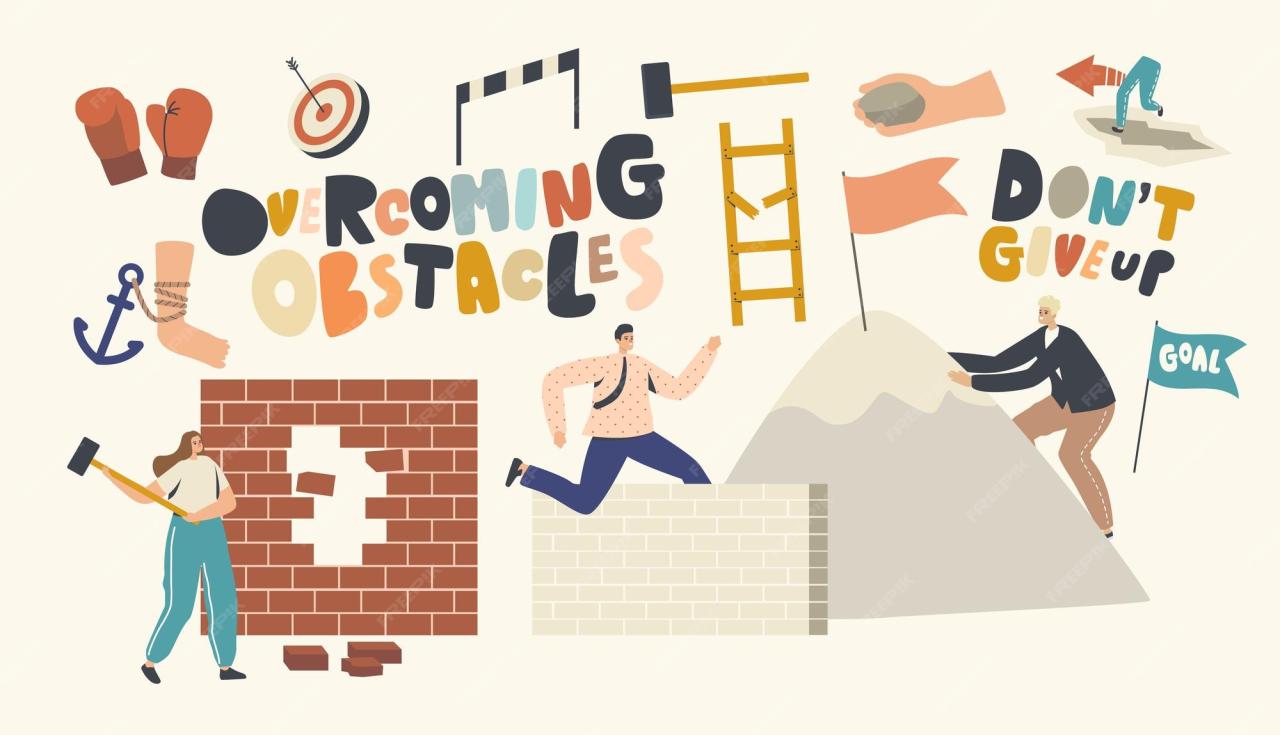
In conclusion, overcoming the fear of starting a new technical skill is an achievable goal, built on understanding, preparation, and perseverance. By identifying your fears, setting realistic goals, and cultivating a growth mindset, you can navigate the learning process with confidence. Remember to leverage available resources, embrace challenges as opportunities, and celebrate your progress along the way. This guide is your starting point; now, go forth and embrace the journey of continuous learning!