Embarking on your first real coding project can feel like a daunting journey, but with the right roadmap, it transforms into an exciting adventure. “How to Plan Your First Real Coding Project from Idea to Launch” is your comprehensive guide, designed to demystify the process and equip you with the knowledge and strategies to bring your coding ideas to life.
From brainstorming and validation to deployment and beyond, this guide will walk you through each critical stage, ensuring a smoother, more successful project experience.
This detailed Artikel covers everything from generating and validating your project idea to selecting the right technologies, managing your workflow with version control, and implementing effective testing and debugging practices. You’ll learn how to define project scope, create a Minimum Viable Product (MVP), and navigate the complexities of deployment and launch. Furthermore, we’ll delve into post-launch activities, including gathering user feedback, prioritizing updates, and iterating on your project to maximize its impact.
Finally, we’ll equip you with the tools to maintain your code, allocate resources efficiently, and avoid common pitfalls, ultimately empowering you to transform your coding aspirations into tangible realities.
Idea Generation and Validation

Planning your first coding project can feel overwhelming, but it all starts with a solid idea. This section will guide you through the crucial initial steps: brainstorming, evaluating feasibility, identifying your audience, and validating your project concept before you write a single line of code. These steps are essential for ensuring your project is not only technically achievable but also has a potential audience and purpose.
Brainstorming Techniques for Project Ideas
Generating ideas is the first step. Several brainstorming techniques can help you come up with potential project ideas. The key is to explore different approaches and find what works best for you.
- Freewriting: Dedicate a set amount of time (e.g., 15 minutes) to write down any and all thoughts that come to mind related to coding projects. Don’t worry about grammar or structure; the goal is to get ideas flowing. This technique can help overcome the initial hurdle of a blank page and spark unexpected connections.
- Mind Mapping: Start with a central concept (e.g., “productivity”) and branch out with related ideas, s, and s. Visually organizing your thoughts can reveal potential project areas you might not have considered. For example, from “productivity,” you might branch to “task management,” “time tracking,” and “habit formation.”
- SCAMPER: This checklist helps you think about how to modify existing ideas. SCAMPER stands for Substitute, Combine, Adapt, Modify, Put to other uses, Eliminate, and Reverse. For example, if you’re considering a to-do list app, think: “Can I substitute the traditional list format with a Kanban board?”
- Problem-Focused Brainstorming: Identify problems you or others face daily. Then, brainstorm potential coding solutions. This approach ensures your project addresses a real need. For instance, if you find yourself constantly forgetting passwords, you could brainstorm ideas for a password manager.
- Trend Analysis: Research current technological trends and identify areas where your coding skills can be applied. Consider areas like AI, machine learning, web3, or mobile app development. This can help you create a project that’s relevant and potentially in demand.
Evaluating the Feasibility of a Coding Project Idea
Not every idea is immediately feasible. Evaluating the technical and practical aspects is critical before investing time in a project.
- Technical Feasibility: Assess whether you have the necessary skills or can realistically acquire them. Consider the programming languages, frameworks, and libraries required. Research if similar projects already exist and how they were implemented.
- Time Commitment: Estimate the time required to complete the project. Be realistic about your available time and avoid overcommitting. Break down the project into smaller, manageable tasks to get a better sense of the workload.
- Resource Availability: Determine if you have access to the necessary resources, such as hardware, software, and APIs. For example, if your project involves machine learning, you’ll need access to computational resources, possibly a cloud service.
- Complexity: Evaluate the complexity of the project. Start with simpler projects and gradually increase the complexity as your skills improve. Consider the number of features and functionalities you plan to implement.
- Scope Creep: Be mindful of scope creep, where the project’s requirements expand beyond the initial plan. Define clear project goals and stick to them. It is helpful to write down what is essential and what is “nice to have”.
Identifying a Target Audience
Understanding your target audience is crucial for project success. Knowing who you’re building for will influence your design choices, feature set, and marketing strategy.
- Define User Personas: Create fictional representations of your ideal users. Include details like demographics, technical skills, needs, pain points, and motivations. For example, if you’re building a fitness tracking app, your persona might be “Sarah, a 30-year-old working professional who wants to track her workouts and improve her fitness level.”
- Market Research: Research the existing market and identify potential users. Analyze their needs and preferences. Look at what similar projects are already available and what users are saying about them.
- Gather User Feedback: Seek feedback from potential users early in the process. Ask them about their needs and expectations. This can involve surveys, interviews, or simply observing how they interact with existing solutions.
- Consider Market Size: Estimate the size of your potential target market. Is it a niche market or a broader audience? This will help you gauge the project’s potential reach and impact.
- Value Proposition: Clearly define the value proposition of your project. What problem does it solve, and why would users choose it over existing solutions? Your value proposition should resonate with your target audience.
Strategies for Validating Your Project Idea
Before investing significant time in coding, validate your idea to ensure there’s a demand for it. Validation helps you avoid building something nobody wants.
- Create a Prototype: Build a basic, functional prototype to demonstrate the core features of your project. This allows you to test your ideas and gather feedback from potential users.
- Conduct Surveys: Use online survey tools to gather feedback from a wider audience. Ask questions about their needs, preferences, and willingness to use your project.
- Perform User Interviews: Conduct one-on-one interviews with potential users to get in-depth feedback. This allows you to understand their needs and pain points in more detail.
- Build a Landing Page: Create a simple landing page that describes your project and its benefits. Collect email addresses to gauge interest and build an early audience.
- Analyze Competitors: Research existing solutions and analyze their strengths and weaknesses. Identify how your project can differentiate itself and offer unique value.
Pros and Cons of Different Project Validation Methods
| Validation Method | Pros | Cons | Example |
|---|---|---|---|
| Surveys |
|
|
Creating a Google Form to ask potential users about their interest in a new budgeting app. |
| Prototypes |
|
|
Building a clickable mockup of a social media app using Figma to demonstrate its interface and core functionalities. |
| User Interviews |
|
|
Conducting one-on-one interviews with potential users of a new language learning app to understand their learning preferences and challenges. |
| Landing Pages |
|
|
Creating a simple website describing a new task management app and asking visitors to sign up for updates. |
Technology Selection and Planning
Choosing the right technologies and planning your project’s architecture are crucial steps in ensuring your coding project’s success. This phase involves making informed decisions about programming languages, frameworks, and project management methodologies. Careful planning here can save you time, resources, and headaches down the road.
Factors for Choosing Programming Languages and Frameworks
Selecting the appropriate programming language and framework significantly impacts your project’s development process, scalability, and maintainability. Several factors should guide your decision-making.
- Project Requirements: Consider the project’s goals. A web application might benefit from JavaScript frameworks like React, Angular, or Vue.js, while data science projects may be better suited for Python with libraries like Pandas and NumPy.
- Scalability: Will your project need to handle a growing number of users or data? Choose languages and frameworks known for their scalability. For example, languages like Go and frameworks like Node.js are often used for building scalable backend services.
- Performance: If performance is critical, languages like C++ or Java might be preferred, especially for computationally intensive tasks. Consider the overhead of interpreted languages versus compiled languages.
- Team’s Expertise: Leverage your team’s existing skills and experience. Choosing a language or framework your team already knows will accelerate development. Training costs and onboarding time should be factored in when considering new technologies.
- Community Support and Resources: A large and active community offers abundant resources, tutorials, and support. Popular languages and frameworks typically have extensive documentation and readily available solutions to common problems.
- Security: Evaluate the security features and vulnerabilities of the chosen language and framework. Consider factors like input validation, protection against common web attacks (e.g., SQL injection, cross-site scripting), and regular security updates.
- Cost: Consider the cost implications of each technology. This includes licensing fees (if any), development tools, hosting costs, and the availability and cost of skilled developers. Open-source technologies often have lower initial costs but may require more developer expertise.
- Maintainability: Choose technologies that are easy to maintain and update. Consider the language’s syntax, code readability, and the framework’s architecture. Well-documented code and clear coding standards are essential for long-term maintainability.
Resources for Learning Programming Languages and Frameworks
Learning new programming languages and frameworks requires dedicated effort and access to reliable resources. Fortunately, a wealth of learning materials is available.
- Online Courses: Platforms like Coursera, Udemy, edX, and freeCodeCamp offer comprehensive courses for various programming languages and frameworks. These courses often include video lectures, coding exercises, and projects.
- Official Documentation: The official documentation for any language or framework is an essential resource. It provides detailed information about syntax, features, and best practices.
- Tutorials and Guides: Websites like MDN Web Docs, freeCodeCamp, and tutorialspoint.com offer numerous tutorials and guides for learning specific languages and frameworks.
- Books: Many excellent books cover programming languages and frameworks in detail. Search for books that match your learning style and project requirements.
- Coding Bootcamps: Coding bootcamps provide intensive, hands-on training in a short period. They are a good option if you want to learn a new language or framework quickly and are willing to dedicate significant time and effort.
- Online Communities: Participate in online communities like Stack Overflow, Reddit (e.g., r/programming, r/learnprogramming), and Discord servers to ask questions, share knowledge, and connect with other developers.
- Interactive Coding Platforms: Platforms like Codecademy and LeetCode provide interactive coding environments where you can practice writing code and solve programming challenges.
Best Practices for Planning Your Project’s Architecture
A well-defined project architecture is critical for code organization, maintainability, and scalability. Here are some best practices:
- Define Clear Requirements: Before designing the architecture, thoroughly understand the project’s requirements, including features, functionalities, and performance goals.
- Choose an Architecture Pattern: Select an appropriate architectural pattern for your project. Common patterns include Model-View-Controller (MVC), Model-View-ViewModel (MVVM), and Microservices. The choice depends on the project’s complexity and requirements.
- Modular Design: Break down the project into modular components or services. This approach promotes code reusability, simplifies testing, and allows for independent development and deployment of components.
- Use Version Control: Implement a version control system like Git to track code changes, collaborate with team members, and manage different versions of the project.
- Design for Scalability: Consider how the architecture will scale as the project grows. This might involve using load balancing, caching, and database optimization techniques.
- Follow Coding Standards: Establish coding standards and guidelines to ensure code consistency and readability. This includes using consistent naming conventions, code formatting, and commenting practices.
- Prioritize Security: Design the architecture with security in mind. Implement security best practices such as input validation, authentication, and authorization.
- Plan for Testing: Incorporate testing into the architecture from the beginning. This includes writing unit tests, integration tests, and end-to-end tests to ensure code quality and functionality.
- Document the Architecture: Document the project’s architecture, including diagrams, component descriptions, and data flow. This documentation will help with onboarding new team members and maintaining the project.
- Consider Technology Stack: Define the technology stack, including programming languages, frameworks, databases, and other tools that will be used in the project. The selection of these technologies should align with the project’s requirements and goals.
Comparison of Project Management Methodologies
Choosing the right project management methodology is essential for effective project execution. Different methodologies offer varying approaches to planning, development, and delivery.
- Waterfall: This is a linear, sequential approach where each phase of the project must be completed before the next one can begin.
- Agile: An iterative and incremental approach that emphasizes flexibility, collaboration, and continuous improvement.
- Scrum: A specific framework within Agile that uses short iterations called sprints, with daily stand-up meetings and regular reviews.
- Kanban: A visual system that focuses on workflow management and limiting work in progress to improve efficiency.
| Methodology | Advantages | Disadvantages | Best Use Cases |
|---|---|---|---|
| Waterfall |
|
|
|
| Agile |
|
|
|
| Scrum |
|
|
|
| Kanban |
|
|
|
Development Workflow and Version Control
Building your first coding project is an exciting journey, and establishing a robust development workflow is crucial for success. This involves organizing your code, tracking changes, and collaborating effectively. Version control, specifically using Git, is at the heart of this workflow. It allows you to manage different versions of your code, revert to previous states, and work collaboratively with others.
Additionally, setting up a well-defined development environment, alongside adopting best practices for writing clean code, significantly streamlines the entire process. This section guides you through these essential aspects, providing a solid foundation for your project.
The Importance of Version Control Systems (e.g., Git)
Version control systems (VCS) are indispensable tools for any software development project. They track changes to your code over time, allowing you to revert to earlier versions, compare different versions, and collaborate seamlessly with other developers. Git is the most popular VCS, offering a distributed system that provides flexibility and efficiency. Without version control, you risk losing your work, making it difficult to debug, and hindering collaboration.
Using Git is fundamental for professional software development.
Setting Up and Using Git for Your Project: A Step-by-Step Guide
Getting started with Git might seem daunting, but it’s a straightforward process. This guide walks you through the necessary steps to set up and use Git for your project.
- Installation: First, you need to install Git on your system. The installation process varies depending on your operating system:
- Windows: Download the Git for Windows installer from the official Git website (git-scm.com) and follow the installation instructions. You’ll typically want to accept the default options.
- macOS: You can install Git using Homebrew (a package manager). Open your terminal and run the command:
brew install git. Alternatively, you can download the installer from git-scm.com. - Linux: Most Linux distributions have Git available in their package managers. For example, on Debian/Ubuntu, use:
sudo apt-get install git. On Fedora/CentOS/RHEL, use:sudo dnf install gitorsudo yum install git.
- Configuration: After installing Git, configure your username and email address. This information will be associated with your commits. Open your terminal and run these commands, replacing “Your Name” and “[email protected]” with your actual details:
git config --global user.name "Your Name"git config --global user.email "[email protected]"
- Initializing a Repository: Navigate to your project directory in the terminal using the
cdcommand. Then, initialize a Git repository using:git init. This command creates a hidden.gitdirectory in your project folder, which stores all the Git-related information. - Adding Files: To start tracking your files, use the
git addcommand. You can add individual files or usegit add .to add all the files in the current directory. For example:git add index.html(adds a single file)git add .(adds all modified and new files in the current directory)
- Committing Changes: Once you’ve added files, commit your changes with a descriptive message using the
git commitcommand:git commit -m "Initial commit: project setup". The-mflag allows you to include a commit message directly on the command line.
- Making Changes and Committing Again: As you work on your project, make changes to your files. Then, add the modified files using
git addand commit the changes with a descriptive message. For example, if you modify your `index.html` file, you would use:git add index.htmlgit commit -m "Added content to index.html"
- Checking Status: Use the
git statuscommand to see the status of your files, including which files have been modified, added, or are untracked. - Viewing Commit History: Use the
git logcommand to view the commit history of your repository. This shows the commit messages, author, and date of each commit. - Ignoring Files: Create a file named
.gitignorein your project’s root directory. List files and directories that Git should ignore (e.g., build artifacts, temporary files, and sensitive information like API keys). This prevents unnecessary files from being tracked. For example:
node_modules/ - .log .env
Common Git Commands and Their Uses
Understanding common Git commands is crucial for effective version control. Here’s a breakdown of some essential commands and their purposes.
git clone [repository_url]: Clones a remote repository to your local machine. This is the starting point for working on a project hosted on platforms like GitHub, GitLab, or Bitbucket.git add [file]: Stages changes to be included in the next commit. It moves changes from your working directory to the staging area.git commit -m "[message]": Creates a commit with the staged changes. The commit message should concisely describe the changes.git status: Shows the status of your working directory, including which files have been modified, added, or are untracked.git log: Displays the commit history, including commit messages, author, and date.git push: Uploads local commits to a remote repository. This is how you share your changes with others or back up your work.git pull: Fetches changes from a remote repository and merges them into your local branch. This is used to synchronize your local repository with the remote repository.git branch: Lists all branches in your repository.git branch [branch_name]: Creates a new branch.git checkout [branch_name]: Switches to a different branch.git merge [branch_name]: Merges a branch into the current branch.git reset [commit_hash]: Resets the current branch to a specific commit. This can be used to undo changes. Use with caution!git revert [commit_hash]: Creates a new commit that undoes the changes introduced by a specific commit. Safer thangit reset.git diff [file]: Shows the differences between your working directory and the last commit, or between two commits.git remote add origin [repository_url]: Adds a remote repository (e.g., on GitHub) to your local repository, allowing you to push and pull changes.
Setting Up a Development Environment
A well-configured development environment streamlines your coding process, improves productivity, and makes debugging easier. This involves choosing the right tools and configuring them to suit your needs.
- Choose a Code Editor/IDE: Select a code editor or an Integrated Development Environment (IDE) that supports your chosen programming language. Popular options include:
- Visual Studio Code (VS Code): A free, open-source, and highly customizable code editor with excellent support for various languages and extensions.
- Sublime Text: A popular and lightweight code editor with a wide range of plugins.
- Atom: Another open-source code editor developed by GitHub, known for its customizability. (Though it has been archived, many still use it.)
- IntelliJ IDEA (and other JetBrains IDEs): Powerful IDEs with advanced features for Java, Python, JavaScript, and other languages. They offer robust debugging and code completion features.
Consider factors like language support, available extensions, and user-friendliness when making your choice.
- Install Necessary Tools: Install any tools specific to your project’s technology stack. For example:
- Node.js and npm (for JavaScript projects): Used for managing dependencies and running JavaScript applications.
- Python and pip (for Python projects): Used for managing dependencies and running Python scripts.
- A compiler (for compiled languages like C++ or Java): Necessary to translate your source code into executable files.
- Configure Your Editor/IDE: Customize your editor/IDE to enhance your coding experience:
- Install Extensions/Plugins: Add extensions for syntax highlighting, code completion, linting (checking for code style errors), and debugging. For example, in VS Code, install extensions like “ESLint” for JavaScript, “Python” for Python, or language-specific extensions for other languages.
- Set Up Code Formatting: Configure your editor to automatically format your code according to a specific style guide (e.g., using Prettier for JavaScript or Black for Python). This ensures consistent code formatting across your project.
- Configure Debugging: Set up debugging tools to step through your code, inspect variables, and identify errors. Most IDEs have built-in debuggers, or you can use debugging extensions.
- Customize Settings: Adjust editor settings like font size, indentation, and color themes to your preference.
- Use a Terminal/Command Line Interface (CLI): Familiarize yourself with using a terminal or CLI. This is essential for running Git commands, executing scripts, and managing your project.
- Version Control Integration: Integrate your chosen VCS (Git) with your editor/IDE. Most editors/IDEs have built-in Git support, making it easy to commit, push, pull, and manage branches directly from your editor.
- Consider Using a Virtual Environment (for Python, etc.): Use virtual environments to isolate project dependencies. This prevents conflicts between different projects and ensures that each project has its own set of libraries. For example, in Python, use the
venvmodule.
Best Practices for Writing Clean and Maintainable Code
Writing clean and maintainable code is crucial for the long-term success of your project. It makes your code easier to understand, debug, and modify, both for yourself and for others who may work on it later. Here are some best practices to follow:
- Write Readable Code:
- Use meaningful variable and function names.
- Write clear and concise comments to explain complex logic.
- Use consistent indentation and spacing.
- Break down complex tasks into smaller, manageable functions.
- Follow a Consistent Code Style:
- Adhere to a consistent coding style guide (e.g., PEP 8 for Python, Airbnb JavaScript Style Guide).
- Use a code formatter (like Prettier or Black) to automatically format your code.
- Keep Functions Small and Focused:
- Each function should ideally have a single, well-defined purpose.
- Avoid excessively long functions.
- Aim for functions that are easy to understand and test.
- Write Modular Code:
- Break your code into reusable modules or components.
- Use classes and objects to organize your code.
- Encapsulate data and behavior within classes.
- Handle Errors Gracefully:
- Use try-except blocks (or equivalent) to handle exceptions.
- Provide informative error messages.
- Log errors to help with debugging.
- Test Your Code:
- Write unit tests to verify the functionality of individual components.
- Write integration tests to verify the interaction between different components.
- Use a testing framework (e.g., Jest for JavaScript, pytest for Python).
- Document Your Code:
- Use docstrings or comments to document your functions, classes, and modules.
- Explain the purpose, parameters, and return values of each function.
- Generate documentation automatically using tools like Sphinx (for Python) or JSDoc (for JavaScript).
- Refactor Regularly:
- Refactor your code to improve its readability, maintainability, and performance.
- Identify and remove code duplication.
- Simplify complex logic.
- Use Version Control Effectively:
- Commit your changes frequently with descriptive commit messages.
- Use branches for new features and bug fixes.
- Merge changes regularly.
- Follow the DRY (Don’t Repeat Yourself) Principle:
- Avoid duplicating code. Instead, create reusable functions or modules.
Testing and Debugging
Testing and debugging are critical phases in any software development project. They ensure the quality, reliability, and functionality of your code. Rigorous testing helps identify and fix errors, preventing unexpected behavior and enhancing the user experience. Effective debugging allows developers to pinpoint the root causes of issues and implement solutions efficiently.
Types of Testing
Various testing types should be incorporated into a coding project to ensure its quality. Each type focuses on a different aspect of the software, contributing to its overall robustness.
- Unit Testing: This involves testing individual components or units of code in isolation. Unit tests verify that each function, method, or class behaves as expected.
- Integration Testing: Integration testing checks the interactions between different software modules or components. It ensures that these components work correctly together.
- System Testing: System testing evaluates the complete software system, including all integrated components. It assesses the system’s compliance with specified requirements and its overall functionality.
- User Acceptance Testing (UAT): UAT involves testing the software by end-users or clients to ensure it meets their needs and expectations. This type of testing validates the software from a user’s perspective.
- Regression Testing: Regression testing is performed after code changes or bug fixes to ensure that the changes have not introduced new issues or broken existing functionality.
- Performance Testing: This assesses the software’s performance under various conditions, such as load, stress, and scalability. It helps identify performance bottlenecks and optimize the software for efficiency.
- Security Testing: Security testing identifies vulnerabilities in the software that could be exploited by malicious actors. It includes testing for common security flaws like SQL injection, cross-site scripting (XSS), and authentication/authorization issues.
Strategies for Effective Debugging
Debugging is the process of identifying and resolving errors in your code. Effective debugging strategies can save time and effort.
- Understand the Error: Carefully read the error messages and stack traces to understand the nature of the problem. Error messages often provide clues about the location and cause of the issue.
- Reproduce the Error: Try to reproduce the error consistently. This helps isolate the problem and ensures that your fix works.
- Isolate the Problem: Break down the problem into smaller parts to identify the specific code section causing the error. Comment out sections of code or use print statements to narrow down the issue.
- Use Debugging Tools: Utilize debugging tools like debuggers, IDEs, and logging frameworks to step through the code, inspect variables, and track the program’s execution flow.
- Take Breaks: Sometimes, taking a break from the problem can help you see it with fresh eyes. Returning to the code after a break can lead to new insights.
- Rubber Duck Debugging: Explain your code and the problem to an inanimate object, such as a rubber duck. This process can help you identify errors by forcing you to articulate the problem clearly.
- Seek Help: Don’t hesitate to ask for help from colleagues, online forums, or communities if you’re stuck. Often, a fresh perspective can help you find a solution.
Common Debugging Tools and Techniques
A variety of tools and techniques are available to assist with debugging. Using the right tools and techniques can significantly improve your debugging efficiency.
- Debuggers: Debuggers allow you to step through your code line by line, inspect variables, set breakpoints, and examine the program’s state. Common debuggers include GDB (for C/C++), the Python debugger (pdb), and the debugger built into your IDE (e.g., Visual Studio Code, IntelliJ IDEA).
- Print Statements/Logging: Inserting print statements or using a logging framework (e.g., logging in Python, log4j in Java) to output variable values, function calls, and other relevant information during runtime. This can help you track the program’s execution flow and identify where issues occur.
- Breakpoints: Breakpoints allow you to pause the execution of your code at specific lines, enabling you to inspect the program’s state at those points.
- Code Profilers: Code profilers analyze your code’s performance, identifying bottlenecks and areas for optimization. Tools like `cProfile` (Python) and `perf` (Linux) can help pinpoint slow-running code sections.
- Version Control (Git): Using version control, you can revert to previous versions of your code to identify when a bug was introduced.
- IDE Features: Modern IDEs often include built-in debugging features, code completion, syntax highlighting, and error detection, which can significantly improve your debugging workflow.
Writing Unit Tests
Unit tests are a fundamental part of good software development practices. They verify the correctness of individual code units and help prevent regressions.
Here’s a basic example of a unit test written in Python using the `unittest` framework. This test verifies the functionality of a simple `add` function.
import unittest

def add(x, y):
    return x + y

class TestAddFunction(unittest.TestCase):
    def test_add_positive_numbers(self):
        self.assertEqual(add(2, 3), 5)

    def test_add_negative_numbers(self):
        self.assertEqual(add(-2, -3), -5)

    def test_add_positive_and_negative(self):
        self.assertEqual(add(5, -2), 3)

if __name__ == '__main__':
    unittest.main()
In this example:
- We import the `unittest` module.
- We define a simple `add` function.
- We create a test class `TestAddFunction` that inherits from `unittest.TestCase`.
- Within the test class, we define test methods (e.g., `test_add_positive_numbers`) that test different scenarios of the `add` function.
- We use assertion methods (e.g., `assertEqual`) to check if the function’s output matches the expected result.
- Finally, we run the tests using `unittest.main()`.
Example Code Snippets for Common Testing Scenarios
Scenario: Testing a function that calculates the factorial of a number.
Code (Python):
import unittest

def factorial(n):
    if n == 0:
        return 1
    else:
        return n
- factorial(n-1)

class TestFactorial(unittest.TestCase):
    def test_factorial_of_0(self):
        self.assertEqual(factorial(0), 1)

    def test_factorial_of_1(self):
        self.assertEqual(factorial(1), 1)

    def test_factorial_of_5(self):
        self.assertEqual(factorial(5), 120)

    def test_factorial_of_negative(self):
        # Handle negative input appropriately (e.g., raise an error)
        with self.assertRaises(ValueError):
            factorial(-1)
Scenario: Testing a function that handles user input and returns a validated result.
Code (Python):
import unittest

def validate_email(email):
    import re
    if not re.match(r"[^@]+@[^@]+\.[^@]+", email):
        return False
    return True

class TestValidateEmail(unittest.TestCase):
    def test_valid_email(self):
        self.assertTrue(validate_email("[email protected]"))

    def test_invalid_email_missing_at(self):
        self.assertFalse(validate_email("testexample.com"))

    def test_invalid_email_missing_domain(self):
        self.assertFalse(validate_email("test@com"))

    def test_invalid_email_with_spaces(self):
        self.assertFalse(validate_email("test @example.com"))
Deployment and Launch
The final stage of your coding project journey, deployment and launch, is where your hard work comes to fruition.
This is the process of making your project accessible to users. It involves several critical steps, from preparing your code for the live environment to attracting your first users. Success at this stage hinges on careful planning and execution.
Deploying Your Project
Deploying your project is the process of transferring your code and making it accessible on the internet. This usually involves several steps, which vary depending on your project’s complexity and the technologies you’ve used.
- Preparing Your Code: Ensure your code is production-ready. This includes removing debugging statements, optimizing code for performance, and securing sensitive information like API keys. Configure your project to work in a production environment.
- Choosing a Hosting Platform: Select a platform that suits your project’s needs (e.g., web application, mobile app, etc.). Consider factors like scalability, cost, ease of use, and support.
- Configuring the Environment: Set up the necessary environment on your chosen platform. This may involve installing dependencies, configuring databases, and setting up server settings.
- Deploying the Code: Upload your code to the hosting platform using tools like Git, FTP, or platform-specific deployment mechanisms.
- Testing the Deployment: Thoroughly test your deployed application to ensure everything works as expected. This includes checking functionality, performance, and security.
- Configuring DNS and Domain: Point your domain name to the server hosting your application. This makes your project accessible via your chosen URL.
Choosing a Hosting Platform
Selecting the right hosting platform is crucial for the success of your project. The best choice depends on your project’s requirements, your technical expertise, and your budget. There are several hosting options, each with its advantages and disadvantages.
- Shared Hosting: A cost-effective option where your website shares server resources with other websites. Suitable for small projects and beginners. However, performance can be limited, and scalability is restricted.
- Virtual Private Server (VPS): Offers more control and resources than shared hosting. You get a virtualized server environment, providing more flexibility and performance.
- Dedicated Server: Provides you with an entire physical server, offering maximum performance and control. Ideal for large projects with high traffic and resource demands.
- Cloud Hosting: Uses a network of servers to host your website, providing scalability, reliability, and flexibility. Offers various services, including infrastructure-as-a-service (IaaS), platform-as-a-service (PaaS), and serverless computing.
- Platform-as-a-Service (PaaS): Simplifies deployment and management by providing a platform for developing, running, and managing applications. Focuses on code, and the platform handles the infrastructure.
- Serverless Computing: Executes code without managing servers. Great for handling intermittent workloads and cost-effective for certain applications.
Handling Potential Launch Day Issues
Launch day can be a stressful time. It’s essential to prepare for potential issues and have strategies in place to address them.
- Thorough Testing: Conduct extensive testing before launch. This includes unit tests, integration tests, and user acceptance testing (UAT).
- Monitoring: Set up monitoring tools to track your application’s performance, errors, and user activity. Tools like New Relic, Datadog, and Sentry can be invaluable.
- Rollback Plan: Have a rollback plan in case of critical issues. This allows you to quickly revert to a previous, stable version of your application.
- Communication Plan: Prepare communication channels (e.g., social media, email) to keep users informed about any issues or updates.
- Support System: Set up a support system to handle user inquiries and bug reports. This could include a help desk, a knowledge base, or a contact form.
- Stress Testing: Simulate high traffic to ensure your application can handle the load. Tools like Apache JMeter or LoadView can help.
- Backup Strategy: Regularly back up your data to prevent data loss in case of a server failure or other issues.
Creating a Marketing Plan for Your Project
A marketing plan is crucial for getting your project noticed and attracting users. It Artikels how you will promote your project and reach your target audience.
- Define Your Target Audience: Identify who your project is for. Understand their needs, preferences, and online behavior.
- Set Marketing Goals: Define specific, measurable, achievable, relevant, and time-bound (SMART) goals for your marketing efforts. For example, increase website traffic by 20% in the first month.
- Choose Marketing Channels: Select the channels where your target audience spends their time. This could include social media, search engine optimization (), content marketing, email marketing, and paid advertising.
- Create Compelling Content: Develop high-quality content that resonates with your target audience. This could include blog posts, videos, infographics, and social media updates.
- Build a Brand Identity: Develop a strong brand identity that reflects your project’s values and personality. This includes your logo, color scheme, and messaging.
- Engage with Your Audience: Interact with your audience on social media, respond to comments and messages, and build relationships.
- Track and Analyze Results: Monitor your marketing efforts and analyze the results. Use analytics tools to track website traffic, user engagement, and conversions.
- Iterate and Optimize: Based on your analysis, adjust your marketing strategy to optimize your results. Continuously experiment with different approaches.
Hosting Platform Comparison
This table compares several popular hosting platforms based on various criteria.
| Platform | Type | Pros | Cons |
|---|---|---|---|
| Shared Hosting | Shared | Cost-effective, easy to use, suitable for beginners. | Limited resources, performance limitations, less control. |
| DigitalOcean | VPS | Scalable, affordable, developer-friendly, good performance. | Requires some technical expertise for setup and management. |
| Amazon Web Services (AWS) | Cloud | Highly scalable, flexible, wide range of services, robust infrastructure. | Complex, can be expensive if not managed properly, requires technical expertise. |
| Google Cloud Platform (GCP) | Cloud | Similar to AWS, competitive pricing, strong performance, innovative services. | Complex, requires technical expertise. |
Post-Launch Activities and Iteration

Congratulations! You’ve launched your coding project. But the journey doesn’t end there. Post-launch activities and iteration are crucial for the long-term success and growth of your project. This phase is all about learning from your users, adapting to their needs, and continually improving your creation. Think of it as a continuous feedback loop that fuels innovation.
Gathering User Feedback After Launch
Gathering user feedback is the cornerstone of post-launch activities. It provides invaluable insights into how your project is being used, what users love, and what they find frustrating. This information is vital for making informed decisions about future development. It’s like having a direct line to your target audience, allowing you to understand their needs and expectations.
There are several methods for gathering user feedback:
- In-App Feedback Forms: Implement feedback forms directly within your application. These can be simple, asking users to rate their experience or provide open-ended comments.
- Surveys: Create surveys using tools like Google Forms or SurveyMonkey. These allow you to gather structured feedback on specific aspects of your project. Consider offering incentives for participation.
- User Interviews: Conduct one-on-one interviews with users to gain deeper insights into their experiences. This can involve asking them to walk you through their usage of your project.
- Social Media Monitoring: Monitor social media platforms for mentions of your project. Users often share their experiences, both positive and negative, on platforms like Twitter, Facebook, and Reddit.
- Email Communication: Encourage users to contact you via email with questions, suggestions, or bug reports. Respond promptly and professionally to show you value their input.
- Analytics Tools: Utilize analytics tools (discussed later) to understand user behavior, identify pain points, and track key metrics.
- Community Forums/Discussions: Create or participate in community forums where users can discuss your project, ask questions, and provide feedback.
Analyzing User Feedback
Once you’ve collected user feedback, the next step is to analyze it. This involves identifying patterns, trends, and common themes in the feedback you receive. This analysis will inform your decisions about which improvements to prioritize. It’s like being a detective, looking for clues to understand what your users truly want.
Here’s a breakdown of how to analyze user feedback:
- Categorization: Group feedback into categories, such as “bugs,” “feature requests,” “usability issues,” and “positive feedback.”
- Sentiment Analysis: Determine the overall sentiment of the feedback (positive, negative, or neutral). This can be done manually or using automated tools.
- Identify Key Themes: Look for recurring themes or issues mentioned by multiple users. These are likely areas that require attention.
- Prioritize Issues: Rank issues based on their frequency, severity, and impact on user experience.
- Use Data Visualization: Use charts and graphs to visualize the feedback data, making it easier to identify trends and patterns. For example, a bar chart can illustrate the frequency of different feature requests.
- Documentation: Document all the feedback you receive, the analysis you conduct, and the decisions you make based on that analysis. This will help you track your progress and justify your choices.
Prioritizing Updates and Improvements
Not all feedback is created equal. Prioritizing updates and improvements is essential to ensure that you focus your efforts on the most impactful changes. This involves evaluating the potential impact of each update and the resources required to implement it.
Consider the following factors when prioritizing:
- Impact on User Experience: How will the update improve the user’s experience? Will it address a major pain point or enhance a key feature?
- Frequency of Feedback: How often have you received feedback about this issue? The more frequently an issue is mentioned, the higher its priority should be.
- Severity of the Issue: How serious is the issue? Does it prevent users from using your project effectively?
- Effort Required: How much time and resources will it take to implement the update? Consider the complexity of the code, the testing required, and any potential dependencies.
- Alignment with Project Goals: Does the update align with your overall project goals and vision?
- Business Value: Will the update contribute to revenue generation, user acquisition, or other business objectives?
- Use a Prioritization Framework: Use frameworks like the “MoSCoW” method (Must have, Should have, Could have, Won’t have) or the “RICE” scoring model (Reach, Impact, Confidence, Effort) to objectively prioritize tasks.
Iterating on Your Project Based on User Feedback
Iteration is the process of making incremental changes to your project based on user feedback. It’s a continuous cycle of building, testing, and learning. This iterative approach allows you to adapt to user needs and improve your project over time. It’s like sculpting a piece of art, continuously refining it based on the feedback you receive.
Here’s how to iterate effectively:
- Plan and Design: Based on your analysis and prioritization, plan the changes you will make. Design the new features or improvements.
- Develop: Implement the changes in your code.
- Test: Thoroughly test the changes to ensure they work as expected and don’t introduce new issues. This includes unit tests, integration tests, and user acceptance testing (UAT).
- Deploy: Deploy the changes to your project. Consider a phased rollout to a small group of users first.
- Monitor: Monitor the impact of the changes using analytics tools and feedback mechanisms.
- Gather Feedback: Collect feedback on the new changes to understand their impact.
- Analyze: Analyze the new feedback and data.
- Repeat: Cycle back to the planning stage and start the iteration process again.
Key Metrics to Track After Launch
Tracking key metrics is essential for understanding the performance of your project and measuring the impact of your updates. These metrics provide valuable insights into user behavior, engagement, and the overall success of your project.
Here are some key metrics to track:
- User Acquisition:
- Number of Users: Track the total number of users.
- New Users: Monitor the number of new users acquired over time.
- Acquisition Channels: Identify the channels through which users are finding your project (e.g., social media, search engines, referrals).
- User Engagement:
- Active Users: Track daily, weekly, and monthly active users (DAU, WAU, MAU).
- Session Duration: Measure the average time users spend using your project per session.
- Frequency of Use: Track how often users use your project.
- Feature Usage: Monitor the usage of different features to identify which are most popular.
- User Retention:
- Retention Rate: Measure the percentage of users who return to your project over time (e.g., 7-day retention, 30-day retention).
- Churn Rate: Track the percentage of users who stop using your project.
- Conversion Rates:
- Sign-up Rate: Measure the percentage of visitors who sign up for an account.
- Conversion to Paid Users: If applicable, track the percentage of users who convert to a paid subscription.
- Customer Satisfaction:
- Net Promoter Score (NPS): Measure user loyalty and satisfaction by asking users how likely they are to recommend your project.
- Customer Satisfaction Score (CSAT): Measure user satisfaction with specific interactions or features.
- Technical Performance:
- Website Load Time: Measure the speed at which your project loads.
- Error Rate: Track the number of errors and bugs.
- Uptime: Monitor the availability of your project.
- Revenue (If Applicable):
- Monthly Recurring Revenue (MRR): Track the revenue generated each month.
- Average Revenue Per User (ARPU): Calculate the average revenue generated per user.
Documentation and Code Maintenance
Writing code is just the first step. To ensure your project thrives, you need to think about how you and others will understand and maintain it over time. This includes writing documentation and keeping your code clean and easy to update. Good documentation and code maintenance practices are crucial for long-term project success.
The Importance of Documenting Your Code
Documentation acts as a guide to your code. It explains what your code does, how it works, and why it’s written the way it is. Without it, understanding your project becomes a difficult task. Documentation helps both you and anyone else who might work on the project in the future. It’s essential for collaboration, troubleshooting, and making changes down the line.
- Improved Understanding: Documentation clarifies the purpose and functionality of your code, which makes it easier for you and others to grasp.
- Enhanced Collaboration: Well-documented code allows team members to quickly understand and contribute to the project, improving collaboration.
- Simplified Maintenance: When you need to fix bugs or add new features, documentation makes the process faster and less error-prone.
- Reduced Errors: Clear documentation minimizes the chance of misunderstandings, which can lead to fewer errors in your code.
- Project Longevity: Good documentation ensures your project remains understandable and maintainable even as time passes and people change.
Tips for Writing Clear and Concise Documentation
Effective documentation is clear, concise, and easy to understand. It should explain the “what,” “how,” and “why” of your code. Consider your audience and write with their needs in mind.
- Use Comments: Comments are your primary tool. Explain what a code block does, the logic behind it, and any potential caveats.
- Write Docstrings: Docstrings are used to document functions, classes, and modules. They should describe what the code does, its parameters, and what it returns.
- Follow a Consistent Style: Stick to a consistent style for comments and docstrings. This makes your documentation easier to read and understand.
- Keep it Up-to-Date: Update your documentation whenever you modify your code. Outdated documentation is worse than no documentation at all.
- Use Tools: Consider using documentation generators like Sphinx (for Python) or JSDoc (for JavaScript) to automatically generate documentation from your code and comments.
Strategies for Maintaining Your Code Over Time
Maintaining code involves more than just writing documentation. It means adopting practices that keep your code clean, readable, and easy to change. This is especially important as projects evolve and grow.
- Version Control: Use a version control system like Git to track changes and revert to previous versions if needed.
- Code Reviews: Have other developers review your code. This helps catch errors and identify areas for improvement.
- Regular Refactoring: Refactor your code periodically to improve its structure and readability.
- Automated Testing: Write tests to ensure your code works as expected and that changes don’t break existing functionality.
- Continuous Integration/Continuous Deployment (CI/CD): Implement CI/CD pipelines to automate testing, building, and deployment processes.
Demonstrating How to Refactor Your Code to Improve Readability and Maintainability
Refactoring is the process of restructuring existing computer code—changing the factoring—without changing its external behavior. It’s about improving the internal structure of your code. This includes renaming variables and functions, breaking down large functions into smaller ones, and removing duplicate code.
Example: Before Refactoring
Imagine you have a function that calculates the total cost of items in a shopping cart:
def calculate_total(items, discount_code):
    total = 0
    for item in items:
        total += item['price']
- item['quantity']
    if discount_code == "SUMMER20":
        total
-= 0.8
    elif discount_code == "WELCOME10":
        total
-= 0.9
    return total
This code works, but it’s hard to read and understand.
It’s not clear what each part does.
Example: After Refactoring
Here’s how you can refactor the code to improve readability:
def calculate_subtotal(items):
    subtotal = 0
    for item in items:
        subtotal += item['price']
- item['quantity']
    return subtotal

def apply_discount(subtotal, discount_code):
    if discount_code == "SUMMER20":
        return subtotal
- 0.8
    elif discount_code == "WELCOME10":
        return subtotal
- 0.9
    return subtotal

def calculate_total(items, discount_code=None):
    subtotal = calculate_subtotal(items)
    if discount_code:
        return apply_discount(subtotal, discount_code)
    return subtotal
In the refactored code:
- The original function is split into smaller, more focused functions.
- Each function has a clear purpose.
- The code is easier to read and understand.
- The code is easier to maintain and modify.
Design a Blockquote with Example Documentation Snippets
Documentation should be an integral part of your code. Good documentation helps you, and others understand your code, making it easier to maintain and collaborate.
Example: Python Docstring for a Function
def add_numbers(a: int, b: int) -> int: """ Adds two numbers together. Args: a: The first number. b: The second number. Returns: The sum of a and b.""" return a + b
Example: JavaScript Comment for a Variable
    // This variable stores the user's name.
    const userName = "John Doe";
Project Timeline and Resource Allocation
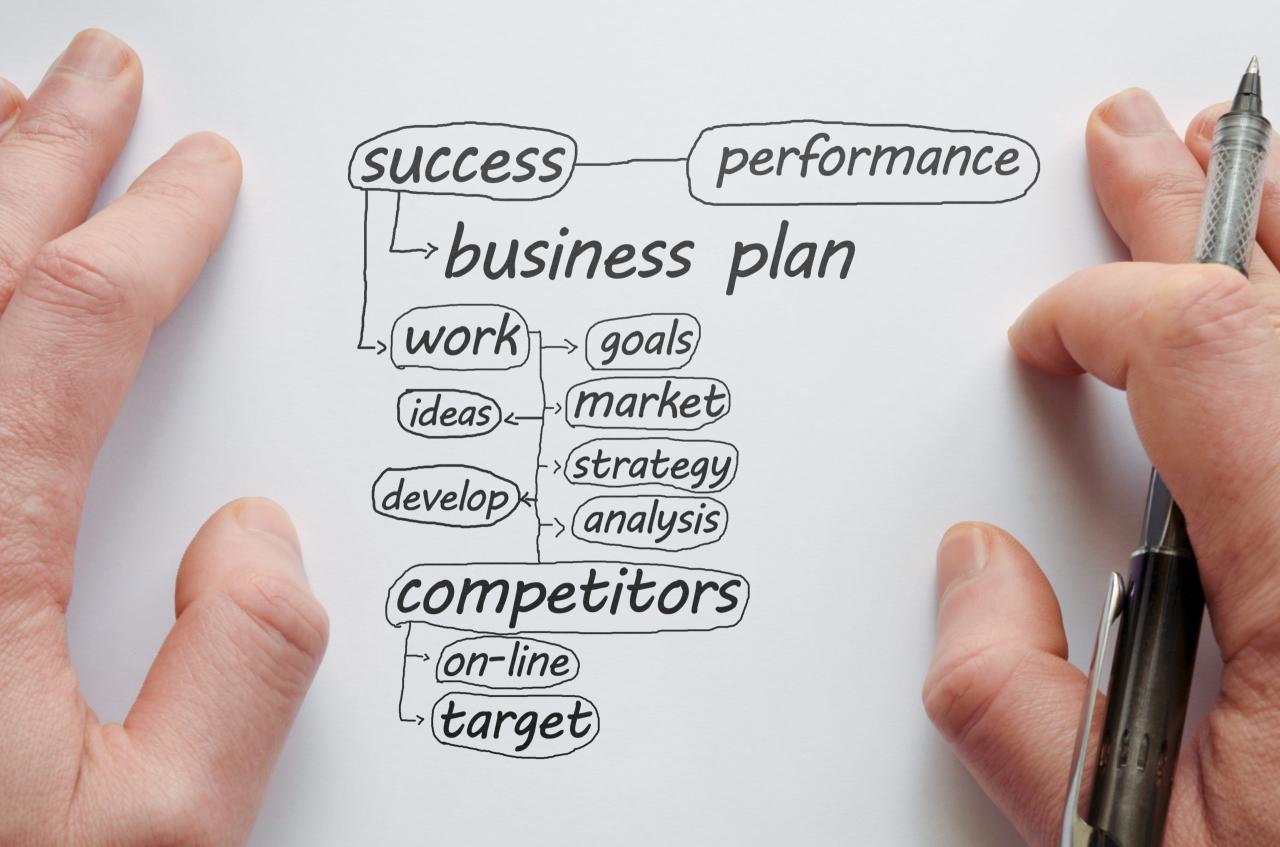
Planning your project timeline and allocating resources effectively is crucial for success. A well-defined plan helps you stay on track, manage expectations, and ultimately, launch your project efficiently. This section will guide you through the process of estimating time, creating a timeline, allocating resources, and tracking your progress.
Estimating Time for Project Tasks
Accurately estimating the time required for each task is a critical first step in project planning. Overestimation can lead to wasted time, while underestimation can cause delays and stress. Consider the following factors when estimating:
- Task Complexity: More complex tasks naturally require more time. Break down large, complex tasks into smaller, more manageable subtasks. This makes estimation easier and provides a clearer picture of the overall project.
- Your Skill Level: Be honest about your abilities. If you’re new to a particular technology or task, factor in extra time for learning and troubleshooting.
- Dependencies: Identify any dependencies between tasks. If one task must be completed before another can begin, this impacts the overall timeline.
- External Factors: Consider potential delays due to external factors like API availability, third-party services, or dependencies on others.
- Buffer Time: Always include buffer time (a safety margin) in your estimates to account for unexpected issues or delays. A common rule of thumb is to add 10-20% to your initial estimates.
Formula for estimating time:
Estimated Time = (Optimistic Time + 4
– Most Likely Time + Pessimistic Time) / 6
This PERT (Program Evaluation and Review Technique) formula provides a more realistic estimate by considering optimistic, pessimistic, and most likely scenarios. For example, if a task is estimated at 1 day optimistic, 2 days most likely, and 5 days pessimistic, the estimated time would be (1 + (4*2) + 5) / 6 = 2.33 days.
Creating a Project Timeline
Once you’ve estimated the time for each task, you can create a project timeline. Several methods can be used, from simple lists to more sophisticated project management tools.
- Simple Task List: Create a list of tasks with their estimated start and end dates. This is a good starting point for small projects.
- Gantt Chart: A Gantt chart visually represents tasks, their durations, and dependencies. Many project management tools offer Gantt chart functionality, making it easy to track progress.
- Calendar: Use a calendar to schedule tasks and milestones. This helps you visualize the project’s progression and identify potential conflicts.
- Project Management Software: Tools like Trello, Asana, and Jira offer features for task management, collaboration, and timeline creation. These tools can be particularly helpful for larger projects.
For example, a simple Gantt chart might depict the development of a basic “Hello World” application. It could include tasks like “Set up Development Environment” (estimated duration: 1 day), “Write ‘Hello World’ Code” (estimated duration: 0.5 days), “Test Application” (estimated duration: 0.5 days), and “Deploy Application” (estimated duration: 1 day). Each task would be represented by a bar on the chart, with the length of the bar indicating the duration.
Dependencies would be shown by connecting the bars.
Best Practices for Allocating Resources Effectively
Resource allocation involves assigning people, time, and budget to project tasks. Effective resource allocation is critical for project success.
- Prioritize Tasks: Identify the most critical tasks and allocate resources accordingly. Focus on tasks that are essential for project completion.
- Consider Team Skills: Assign tasks to team members based on their skills and experience. This maximizes efficiency and reduces the risk of errors.
- Balance Workload: Distribute the workload evenly among team members to prevent burnout and ensure that everyone is contributing effectively.
- Manage Dependencies: Ensure that resources are available when needed for dependent tasks.
- Regularly Review and Adjust: Resource allocation is not a one-time activity. Regularly review your resource allocation and make adjustments as needed based on project progress and changing priorities.
For instance, in a team of three developers, if one developer is highly skilled in front-end development, they might be assigned to tasks related to the user interface, while another developer, proficient in back-end development, would focus on server-side logic. The project manager would monitor the progress and adjust the allocation as needed.
Tracking Project Progress
Tracking project progress is essential to ensure that the project stays on schedule and within budget.
- Regular Check-ins: Conduct regular check-ins with team members to monitor their progress and identify any roadblocks.
- Use Project Management Tools: Utilize project management tools to track tasks, deadlines, and dependencies. Many tools provide features for reporting and progress visualization.
- Monitor Key Metrics: Track key metrics such as the number of tasks completed, the time spent on each task, and the budget spent.
- Document Issues and Risks: Maintain a log of any issues or risks that arise during the project and how they are being addressed.
- Adapt and Adjust: Be prepared to adapt your plan and make adjustments as needed based on project progress and changing priorities.
For example, using a project management tool like Trello, each task can have a “status” such as “To Do,” “In Progress,” “Testing,” and “Done.” Team members can update the status of their tasks, and the project manager can easily see the overall progress.
Resource Allocation Strategies
Different resource allocation strategies can be employed based on the project’s needs and constraints.
| Strategy | Description | Advantages | Disadvantages |
|---|---|---|---|
| Fixed Resource Allocation | Assigning a fixed amount of resources (e.g., team members, budget) to the project. | Predictable costs and resource utilization. | May not be flexible enough to accommodate changes or unexpected issues. |
| Variable Resource Allocation | Adjusting resource allocation based on project needs and progress. | More flexible and adaptable to changing requirements. | Requires careful monitoring and management. |
| Over-Allocation | Assigning more resources than initially planned to accelerate the project. | Can speed up project completion. | Can lead to increased costs and potential inefficiencies if not managed properly. |
| Under-Allocation | Assigning fewer resources than needed to reduce costs. | Can reduce costs. | May result in delays, increased workload, and reduced quality. |
Common Mistakes and How to Avoid Them

Starting your first coding project is exciting, but it’s also easy to stumble. This section highlights common pitfalls and offers practical strategies to navigate them successfully, helping you avoid frustration and stay on track. Learning from the mistakes of others can save you valuable time and energy.
Avoiding Scope Creep
Scope creep, the uncontrolled expansion of a project’s requirements, is a common project killer. It leads to delays, budget overruns, and often, a project that never gets finished. Understanding how to manage scope effectively is critical.
- Define a Clear Scope Upfront: Before writing any code, create a detailed project scope. This should include a list of features, functionalities, and deliverables. This scope document acts as your baseline.
- Prioritize Features: Not all features are created equal. Identify the core features essential for a minimum viable product (MVP). Focus on delivering these first.
- Document Everything: Keep meticulous records of all project requirements, decisions, and changes. This documentation serves as a reference point and helps manage expectations.
- Use a Change Management Process: Establish a formal process for requesting and approving changes to the scope. This might involve a change request form and a review by stakeholders.
- Say “No” Strategically: Be prepared to decline requests that fall outside the agreed-upon scope, especially early in the project. Explain the impact of new features on the timeline and budget.
- Iterate and Refine: Plan for iterations. After the initial MVP launch, you can gather user feedback and add new features in subsequent releases. This allows for flexibility without derailing the project.
Effective Time Management
Time is your most precious resource when coding. Effective time management can significantly improve your productivity and prevent burnout. Implementing these strategies will help you stay organized and focused.
- Break Down Tasks: Divide your project into smaller, manageable tasks. This makes the overall project less daunting and allows you to track progress more effectively. For example, instead of “Build the user interface,” break it down into tasks like “Design the login form,” “Implement the navigation menu,” and “Create the dashboard layout.”
- Estimate Time Accurately: Be realistic about how long tasks will take. Overestimation is better than underestimation. Use the estimates to create a project timeline.
- Use Time-Tracking Tools: Track the time spent on each task. This helps you identify where you’re spending your time and where you might be over or underestimating.
- Prioritize Tasks: Use a prioritization method like the Eisenhower Matrix (urgent/important) to focus on the most critical tasks first.
- Schedule Time Blocks: Allocate specific blocks of time for coding, testing, and other project-related activities. Treat these blocks as appointments you cannot miss.
- Take Regular Breaks: Step away from your computer regularly. Short breaks can improve focus and prevent mental fatigue.
- Eliminate Distractions: Turn off notifications, close unnecessary tabs, and create a dedicated workspace free from interruptions.
Maintaining Motivation
Staying motivated throughout a coding project can be challenging, especially when encountering roadblocks or setbacks. It is important to find ways to stay engaged and focused on the goal.
- Set Realistic Goals: Avoid setting overly ambitious goals that can lead to disappointment. Break down the project into smaller, achievable milestones.
- Celebrate Small Wins: Acknowledge and celebrate your progress, no matter how small. This can boost your morale and keep you motivated.
- Connect with Others: Join online communities, forums, or local meetups to connect with other coders. Share your progress, ask for help, and learn from others.
- Take Breaks When Needed: Don’t push yourself too hard. If you’re feeling burnt out, take a break and come back to the project later.
- Remember Your “Why”: Remind yourself why you started the project in the first place. What problem are you solving? What are you hoping to achieve?
- Learn From Mistakes: View setbacks as learning opportunities. Analyze what went wrong and how you can improve.
Tips for Staying Focused and Productive
Maintaining focus and productivity requires a combination of techniques and strategies. The following tips can help you stay on track and make the most of your coding time.
- Use the Pomodoro Technique: Work in focused 25-minute intervals followed by a short break. This technique can help maintain concentration and prevent burnout.
- Minimize Context Switching: Avoid multitasking. Focus on one task at a time to improve efficiency.
- Use a Code Editor with Features: Utilize a code editor that supports features such as auto-completion, syntax highlighting, and debugging tools. These tools can significantly improve your coding speed and reduce errors.
- Write Clean Code: Focus on writing readable and well-documented code. This will make it easier to understand and maintain your code over time.
- Get Enough Sleep: Sleep deprivation can significantly impact your cognitive function and productivity. Aim for 7-8 hours of sleep per night.
- Practice Self-Care: Take care of your physical and mental health. Exercise, eat healthy, and practice stress-reducing techniques.
Concluding Remarks

In conclusion, planning your first real coding project is a journey best undertaken with a clear strategy. This guide, “How to Plan Your First Real Coding Project from Idea to Launch,” provides a structured approach, from initial ideation to post-launch iteration. By mastering the techniques Artikeld here, you’ll not only launch your project successfully but also cultivate valuable skills for future endeavors.
Remember to embrace challenges, learn from your experiences, and celebrate your achievements along the way. Now go forth and code with confidence!